Tag: discard recipes

  • Sourdough Discard Pancakes: Fluffy, Tangy, and Ready in Minutes

    Sourdough Discard Pancakes: Fluffy, Tangy, and Ready in Minutes

    There is a specific kind of guilt that lives in the sourdough baker’s fridge, and it looks like a jar of discard slowly filling up week after week. You know you should use it. You also know it feels like a chore. So here is the recipe that quietly solves both problems at once: sourdough discard pancakes — fluffy, faintly tangy, genuinely better than the pancakes you would make from scratch, and ready in about the time it takes the griddle to heat.

    This is the recipe that turns discard from a guilt trip into the reason you keep a starter at all. No special technique, no perfect timing, no wasted flour. Just breakfast, and one fewer thing in the fridge to feel bad about.

    A short stack of fluffy golden sourdough discard pancakes with butter and maple syrup
    Sourdough discard turns into the tenderest, tangiest pancakes — no waste required.

    Why discard makes better pancakes, not just less waste

    It would be enough if discard pancakes were simply a way to avoid throwing food away. But they genuinely taste better than a standard from-scratch batter, and there are real reasons why.

    The first is flavor. All those days of fermentation leave the discard mildly acidic and complex — that gentle sourdough tang cuts the sweetness of syrup beautifully and gives an ordinary pancake a bakery-like depth. The second is texture. The acidity in the discard reacts with baking soda to create a burst of lift, and the flour that has been sitting hydrated in your starter is fully softened, which makes the finished pancake unusually tender. You are not fighting your discard’s sourness — you are putting it to work. (If your starter runs sharp enough that even the pancakes taste too sour, our guide to taming an overly sour sourdough explains where that acidity comes from.)

    Know your discard before you start

    Discard is not a fixed ingredient the way flour is. It changes depending on how you keep your starter, and thirty seconds of paying attention will save you a flat batch.

    Stir it first. If a layer of thin, dark liquid has gathered on top — that is hooch, and it is harmless — just mix it back in; it carries flavor. Then notice the consistency. A discard fed with equal weights of flour and water pours like thick cream, and this recipe is built around that. If yours is stiff and paste-like, plan to loosen the batter with an extra splash of milk. If it is very thin and watery, you will need a touch more flour. There is no single correct discard, only the one in your jar, so read it before you commit.

    A jar of sourdough discard being stirred with a spoon showing its loose bubbly texture
    Know your discard first: stir any hooch back in and notice whether it is thick or thin.

    One more thing: cold discard straight from the fridge is fine here. Unlike baking a loaf, you do not need it active or bubbling. Discard that has been ignored for a week or two will still make excellent pancakes — and if you want to bank a bigger jar for a weekend batch, see how to store your starter and its discard without it going off.

    The recipe: fluffy sourdough discard pancakes

    This makes about eight to ten pancakes and scales up cleanly. The quantities are forgiving, so treat them as a starting point rather than a law.

    Overhead flat-lay of sourdough discard pancake ingredients on a floured wooden table
    Everything you need is likely already in your kitchen — the discard does the heavy lifting.

    You will need:

    • 1 cup (about 240g) sourdough discard, stirred
    • 1 large egg
    • 2 tablespoons (30g) melted butter, plus more for the pan
    • 1/2 cup (120ml) milk, plus more to adjust
    • 1 tablespoon sugar (or honey)
    • 1/2 cup (60g) all-purpose flour
    • 1/2 teaspoon salt
    • 1 teaspoon baking soda

    Method:

    1. In a bowl, whisk together the discard, egg, melted butter, milk and sugar until smooth.
    2. Add the flour and salt and stir just until combined. A few lumps are good — do not beat it smooth.
    3. Add the baking soda last and fold it in gently. The batter will foam and puff almost immediately. This is the moment the magic happens, so do not skip ahead and add it early.
    4. Let the batter rest for 5 to 10 minutes while a griddle or heavy pan heats over medium. Butter it lightly.
    5. Pour about a quarter cup per pancake. Cook until the surface is covered in bubbles and the edges look set, 2 to 3 minutes, then flip once and cook another 1 to 2 minutes until golden.

    Resist pressing them flat with the spatula — that squeezes out exactly the air you just created.

    Sourdough pancake batter being poured onto a cast-iron griddle with bubbles forming on a cooking pancake
    Wait for a rash of bubbles across the top before you flip — that is your cue.

    The overnight version (barely any morning effort)

    If mornings are chaos, do almost everything the night before. Whisk together the discard, egg, butter, milk, sugar and flour, cover the bowl, and leave it on the counter overnight. By morning it will be looser, bubblier, and even tangier from the extra fermentation.

    The only rule: add the baking soda in the morning, right before you cook. Baking soda reacts on contact with the acidic batter, so if you add it the night before it will spend its lift overnight and leave you with flat, dense pancakes. Stir it in fresh, watch the batter foam, and cook straight away. That single habit is the difference between overnight pancakes that soar and ones that sit there.

    Why yours came out flat or rubbery (and how to fix it)

    Discard pancakes are simple, but two disappointments come up again and again. Both have clear causes.

    Flat and dense. The symptom is a thin, heavy pancake with no rise. The cause is almost always the baking soda — either it was old and had lost its punch, or it was added too early and fizzled out before the batter hit the pan. The fix: use fresh baking soda, add it last, and cook within a few minutes of stirring it in. A too-thin batter from watery discard will also spread and flatten, so thicken it with a spoonful of flour.

    Tough and rubbery. The symptom is a chewy, dense pancake that fights back. The cause is overmixing, which develops the gluten in the flour — great for a chewy loaf, wrong for a tender pancake. The fix: stir only until the flour disappears, lumps and all, and let the batter rest so the flour hydrates and the gluten relaxes. Gentle hands make soft pancakes.

    Two sourdough discard pancakes compared, one flat and dense, one tall and fluffy
    Same discard, different result: flat and rubbery on the left, fluffy on the right.

    Make it yours: variations and storing the batter

    Once the base works, it becomes a canvas. Fold blueberries or chocolate chips onto the pancakes just after you ladle the batter (rather than into the bowl, so they distribute evenly). Add a little cinnamon and vanilla for a warmer breakfast, or pour the same batter into a waffle iron — the higher heat makes the tang and the crisp edges even better.

    Leftover batter without the baking soda keeps in the fridge for a day or two; stir in fresh soda when you are ready to cook. Cooked pancakes freeze beautifully in a stack with parchment between them — reheat straight from frozen in a toaster. And if the discard-recipe habit takes hold, your next easy win is a batch of crispy sourdough discard crackers, or a look at all the other ways to use sourdough discard so that jar never guilt-trips you again.

    The takeaway

    Sourdough discard pancakes are the rare recipe that is faster, cheaper, and tastier than the alternative while also solving a problem you already had. Stir your discard, keep the mixing gentle, add the baking soda last, and cook them fluffy. Do that and the jar in your fridge stops being a source of guilt and becomes the best reason to make breakfast.

    Want to see the batter foam and the perfect flip in real time? The full walkthrough lives on the LoafLovers YouTube channel, and you can grab our free sourdough troubleshooting guide — quick fixes for the loaf, starter, and discard problems that come up most — when you join the email list. No hard sell, just the answers waiting for the next time your jar fills up.

    Related Reading

  • What to Do With Sourdough Discard: How to Use It Up Instead of Throwing It Away

    What to Do With Sourdough Discard: How to Use It Up Instead of Throwing It Away

    There’s a jar in your fridge you feel a little guilty about. Every time you feed your starter, you scoop out a portion and, if you’re like most home bakers, you either dump it down the drain or add it to a growing pot of pale, tangy sludge you keep meaning to “do something with.” That something rarely happens, and eventually the jar gets tipped into the bin anyway.

    Here’s the reframe that fixes it: sourdough discard isn’t waste. It’s fermented flour and water – an ingredient with real flavor – that just isn’t lively enough to raise a loaf on its own. Once you stop treating it as garbage and start treating it as a pantry staple, that guilt jar becomes one of the most useful things in your kitchen. Let’s clear up what discard actually is, whether it’s safe, how long it keeps, and the easiest ways to turn it into something worth eating.
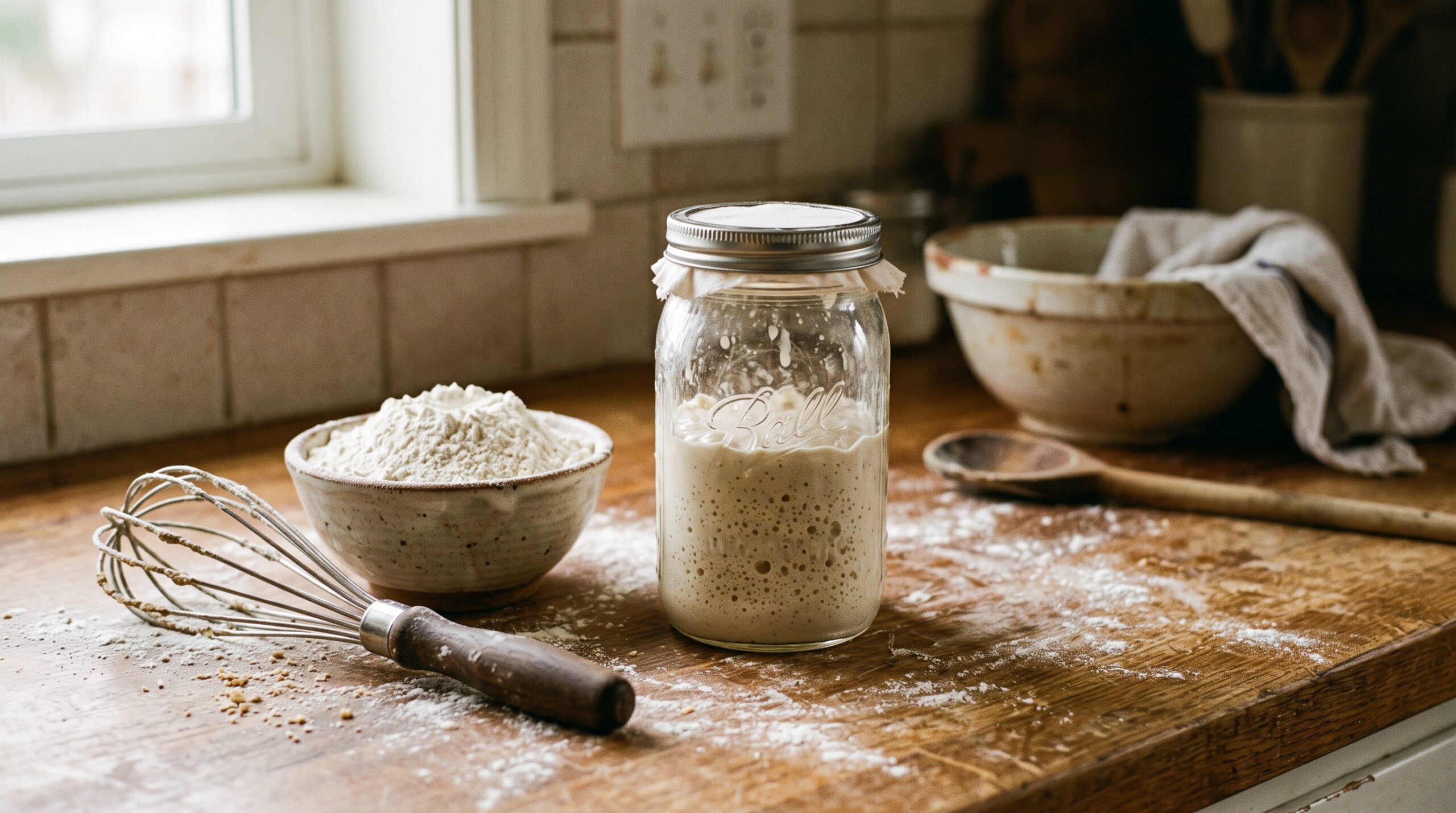
    A glass jar of sourdough discard on a floured wooden counter beside a whisk and flour
    The discard jar most bakers feel guilty about – and the ingredient hiding inside it.

    What Sourdough Discard Actually Is

    Discard is simply the portion of starter you remove before a feeding. When you feed a starter, you keep a small amount and add fresh flour and water so the yeast and bacteria have something new to eat. If you never removed any, your starter would grow to an absurd volume and, worse, the ratio of old acidic culture to fresh food would stay so high that the starter would struggle to get strong. Discarding keeps the culture healthy and manageable – the cast-off portion is the discard.

    Crucially, discard is the same stuff as your active starter, just hungry. It’s flour and water that’s been fermented by wild yeast and lactic-acid bacteria. That fermentation gives it a pleasant sour tang and a bit of pre-digested, easy-to-work flour. What it has lost is oomph: an unfed discard doesn’t have enough active, well-fed yeast to reliably lift a loaf. That’s why we bake bread with active starter and cook other things with discard – the flavor is welcome, but we don’t rely on it for rise.

    Is Discard Safe to Use? How to Read the Jar

    For a healthy, established starter, discard is safe to use – and the acidity that builds up in it actually makes it inhospitable to most things you’d worry about. But you should still give the jar a quick, honest look before you bake with it. The good signs: it smells sour, tangy, yeasty, maybe sharply boozy or a little like nail-polish remover when it’s very hungry. A thin layer of grey or brown liquid on top, called hooch, is completely normal – it’s just alcohol and water the culture produced, and you can stir it back in or pour it off. None of that means the discard has gone bad.

    What does mean throw it out: any sign of actual mold – fuzzy spots in white, black, green, pink, or orange, whether on the surface or creeping up the sides of the jar – or a smell that’s genuinely rotten or foul rather than sharply sour. Streaks of pink or orange are a hard stop. When you see any of that, discard the whole jar, wash it well, and if it was your active starter that molded, it’s safer to start fresh. When in doubt, throw it out; a jar of discard isn’t worth a gamble.
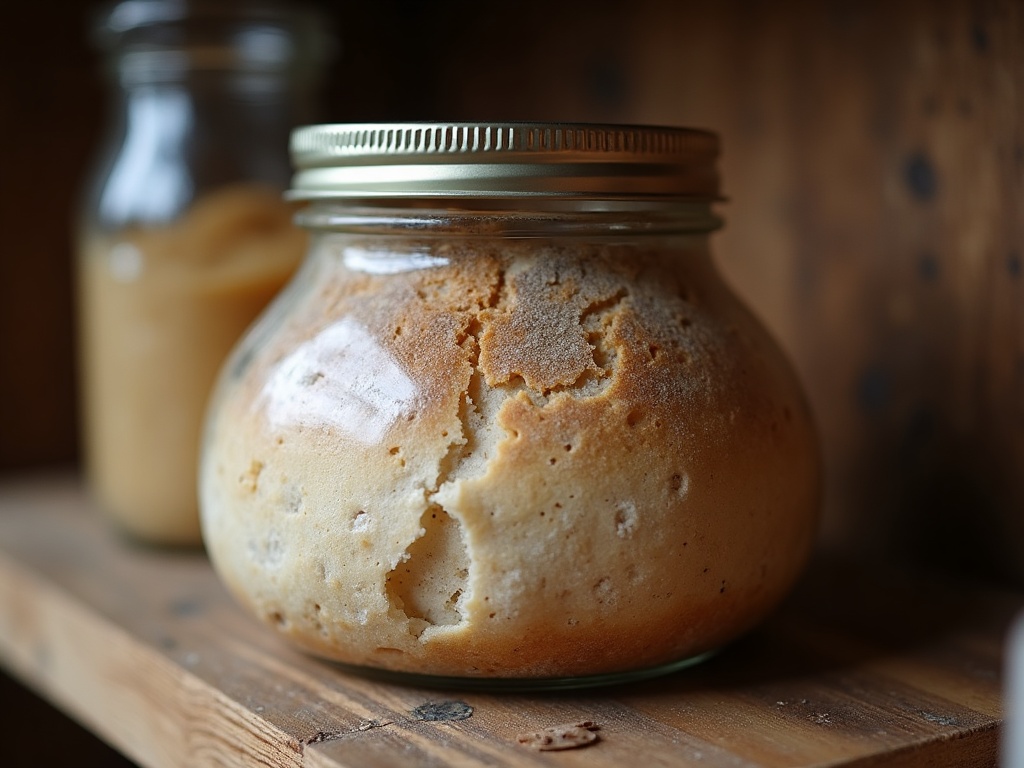
    A jar of unfed sourdough discard with a thin grey layer of hooch on top
    Unfed and a little flat, sometimes with hooch on top – discard is just hungry starter, not spoiled food.

    The Lowest-Effort Way to Use It: Crackers

    If you only ever make one discard recipe, make crackers. They’re forgiving, they don’t care how old or flat your discard is, and they turn a jar of “I should really use this” into a snack in about half an hour. The formula is barely a recipe: stir discard together with roughly equal weights of flour, a good glug of olive oil, and a pinch of salt until you have a stiff paste, then spread it as thin as you possibly can on parchment, sprinkle with flaky salt, herbs, or seeds, and bake at around 175 C / 350 F until deeply golden and crisp. Score it into squares before baking so it snaps into neat pieces, or just crack the whole sheet into rustic shards.

    The thinner you spread the batter, the crispier and better the crackers – a slightly uneven, blistered sheet is the goal, not a perfect uniform one. This is the recipe to reach for when your discard has been sitting a while, because the long bake and the added flour completely mask any extreme sourness.

    The Best Breakfast You’ll Cook: Pancakes and Waffles

    Discard pancakes and waffles are, for a lot of bakers, the recipe that converts them from dumping discard to hoarding it. The tang plays beautifully against maple syrup, and the fermented flour gives a tenderness and depth that a straight batter can’t match. You can make a same-morning version by whisking discard into a normal pancake batter, but the standout method is an overnight one: the night before, mix your discard with flour, milk, and a little sugar and let it sit on the counter. By morning it’s bubbly and even more flavorful; you just whisk in egg, melted butter, a pinch of salt, and the leaveners – baking soda and a touch of baking powder – right before cooking.

    The baking soda is doing something clever here: it reacts with the acid in the discard to give you lift and, as a bonus, neutralizes some of the sourness so the pancakes taste balanced rather than aggressively tangy. Waffles work identically and get shatteringly crisp. This is genuinely one of the best uses for discard, not a consolation prize.
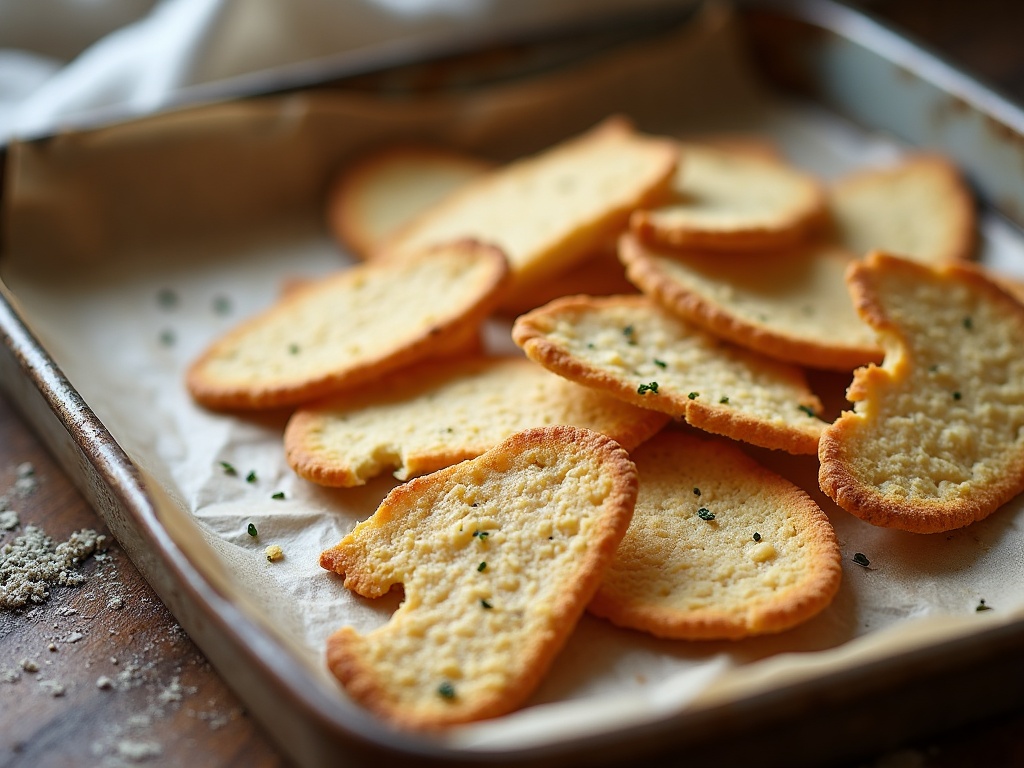
    A tray of thin crisp sourdough discard crackers broken into shards on parchment
    Discard crackers: flour, discard, oil, salt – the lowest-effort way to use up a jar.

    Beyond Crackers and Pancakes: Savory and Sweet

    Once you’re comfortable, discard slots into a surprising range of everyday cooking. On the savory side, it makes excellent quick flatbreads and a fast, tangy pizza-style crust when you’re not in the mood for a full dough – stir it with flour, a little oil, and salt, rest it briefly, and stretch it out. It thickens and adds flavor to savory batters, too: think discard-battered fritters, crumpets, or a splash stirred into a cheese-cracker dough. Because discard is essentially thin flour paste, it can stand in for some of the flour and liquid in many batter recipes.

    On the sweet side, it disappears beautifully into banana bread, muffins, quick cakes, and brownies, where it adds moisture and a subtle background tang without anyone knowing there’s “leftover starter” in their dessert. A good rule of thumb: discard works best where you already have chemical leavening (baking soda or powder) doing the lifting and a batter or dough that welcomes a little extra flour and moisture. It’s not going to raise a boule, but it makes almost everything else taste a little more interesting. If you’ve ever ended up with a dense, gummy crumb in your actual loaf, discard bakes are a low-stakes place to keep your hands busy while you troubleshoot the bigger bake.

    How Long Discard Keeps – and How to Store It

    Kept in a lidded jar in the fridge, discard stays good for about one to two weeks, and honestly often longer if it still smells sharply sour rather than off. It will get more acidic and more alcoholic (more hooch) the longer it sits, which is fine for crackers and other robust bakes but a bit much for delicate ones – so use older discard in the strongly flavored recipes and fresher discard where you want a milder tang.

    The smartest move if you feed your starter often is to build up a stash: keep a dedicated “discard jar” in the fridge and add each day’s cast-off to it, stirring it in, until you have enough for a proper batch of crackers or a double batch of pancakes. Label the jar with the date so you’re not guessing. And if it’s piling up faster than you can bake, freeze it – portion discard into a lidded container or even ice-cube trays, and it keeps for months. Thaw it in the fridge overnight before using; it works perfectly well in any cooked or baked discard recipe once thawed.

    One habit that quietly reduces discard in the first place: if you’re not baking for a while, keep a smaller starter and store it in the fridge, feeding it less often. You’ll generate far less discard, and the discard you do get will be exactly the ingredient you now know how to use. If your starter has been sluggish and you’ve been feeding it hard to revive it, that’s a season of extra discard – our guide to reviving a starter that won’t rise pairs well with a few batches of crackers to soak up the surplus.

    From Guilt Jar to Pantry Staple

    Discard only feels like waste when you don’t have a plan for it. Give it one – a default recipe you reach for without thinking, a labeled jar you top up through the week, and a bag of frozen portions for later – and the guilt disappears entirely. Start with crackers this week because they’re impossible to get wrong, graduate to the overnight pancakes when you want to be genuinely impressed, and you’ll never tip a jar down the drain again.

    Want to see the cracker spread, the overnight pancake batter, and how to read a discard jar in real time? The full walkthrough – with close-ups of every step – lives on the LoafLovers YouTube channel. And if you’d like our one-page discard cheat sheet with the base ratios to keep on the fridge, grab it free when you join the email list. No hard sell, just something useful for your next jar. While you’re troubleshooting your bakes, our guide to telling overproofed from underproofed dough is a good next read.


    Sources & further reading:

    Related Reading