You just fed your starter its morning meal, then walked past the jar an hour later and thought: did I give it too much? Maybe you doubled the flour to be safe, or fed it twice in a panic when it looked flat. Now you are wondering whether you have drowned the poor thing.
Good news: over-feeding a sourdough starter is one of the most over-worried problems in home baking. The thing bakers call over-feeding is almost always a different, very fixable issue. Let’s untangle what is actually happening in that jar.

The short answer: you can’t really over-feed it
A sourdough starter is a colony of wild yeast and bacteria living in flour and water. When you feed it, you are handing it fresh sugars and starches to eat. You cannot give a colony “too much” food any more than you can over-fill a buffet — the microbes simply eat what they can reach and ignore the rest.
What people mean by “over-feeding” is really over-dilution: adding so much fresh flour and water relative to the existing starter that you shrink the active population down to a tiny fraction of the jar. The colony is still healthy — there is just less of it per spoonful, so it takes longer to wake up and rise. That looks like a sluggish, disappointing starter, and it gets blamed on “too much food.”
Feeding is about ratios, not amounts
The number that matters is the feeding ratio — written as starter : flour : water. A 1:1:1 feed means equal parts of each by weight (say 50g starter, 50g flour, 50g water). A 1:5:5 feed means one part starter to five parts each of flour and water (20g starter, 100g flour, 100g water).
Here is the key idea: the bigger the flour-and-water numbers relative to the starter, the more diluted the colony, and the longer it takes to peak. So:
- 1:1:1 — lightly diluted, peaks fast (often 3–6 hours in a warm kitchen). Great when you bake often.
- 1:3:3 — a middle-ground feed that buys you more hours before it collapses.
- 1:5:5 or higher — heavily diluted, slow to peak, but stays strong for longer and builds a milder flavor. Useful for overnight feeds or hot kitchens.
None of these is “too much food.” They are just different clocks. Pick the ratio that matches when you actually want the starter ready.

The real problems people mistake for over-feeding
Nine times out of ten, the panic comes down to one of these:
1. Feeding too often. If you feed again before the starter has peaked and started to fall, you keep resetting the clock. The colony never gets the chance to build up numbers, so it always looks weak. This is the single most common cause of a “lazy” starter. Feed on the starter’s schedule — when it has risen and just begun to deflate — not on yours.
2. Diluting too hard, too often. Big feeds (1:5:5 and up) every few hours never let the population catch up. If your starter is sluggish, try smaller, more concentrated feeds (1:1:1 or 1:2:2) for a couple of days to rebuild strength.
3. Confusing a full jar with a fed colony. A jar packed to the rim looks “well fed,” but volume is not vigor. A tablespoon of active starter refreshed 1:5:5 is far healthier than a huge jar you top up without ever discarding.
Under-fed vs over-diluted: how to tell them apart
Both look sluggish, but the cure is opposite, so read the signs before you act.
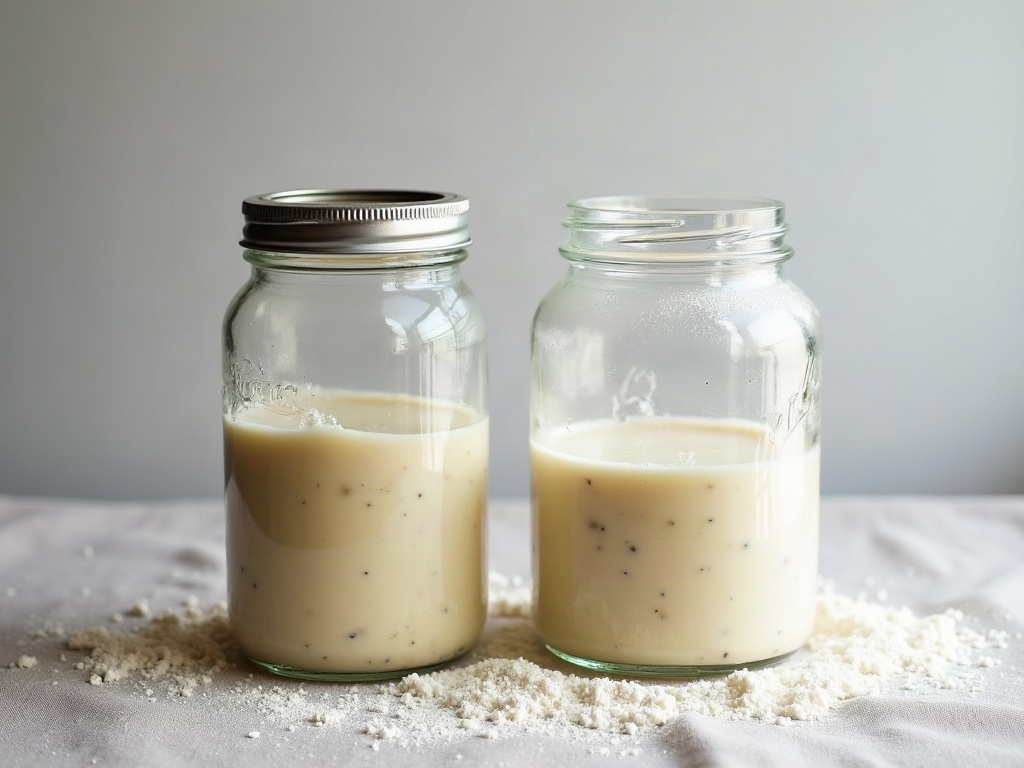
Under-fed (starving) tends to show: a sharp acetone or nail-polish smell, a layer of grey liquid (hooch) on top, and a starter that rises fast then collapses quickly because it burned through its food. Fix: feed sooner and more often, or use a slightly bigger ratio so there is more food to last between feeds.
Over-diluted tends to show: a mild, almost flat smell, very slow or barely-there rise, and lots of clean fresh flour flavor. Fix: smaller, more concentrated feeds (1:1:1) once or twice a day until it is doming reliably again.
How to choose a ratio that fits your life
Stop feeding by habit and feed by when you want to bake. Work backward:
- Baking this afternoon? Give a 1:1:1 or 1:2:2 feed in the morning — it will peak in a few hours.
- Baking tomorrow morning? Give a 1:5:5 feed before bed so it peaks around dawn instead of at 2 a.m.
- Not baking for a week? Feed once, let it peak, then park it in the fridge. Cold slows everything down so you can go 5–7 days between feeds.
Warm kitchens speed everything up, so lean toward bigger dilutions in summer; cold kitchens slow things down, so smaller feeds keep pace in winter.
Rescuing a sluggish, over-diluted starter
If you have been giving huge feeds and your starter is limping, here is a three-day reset:
- Discard down to a small amount — keep just a tablespoon or two.
- Feed 1:1:1 with a warm spot (around 24–26°C / 75–79°F if you can manage it).
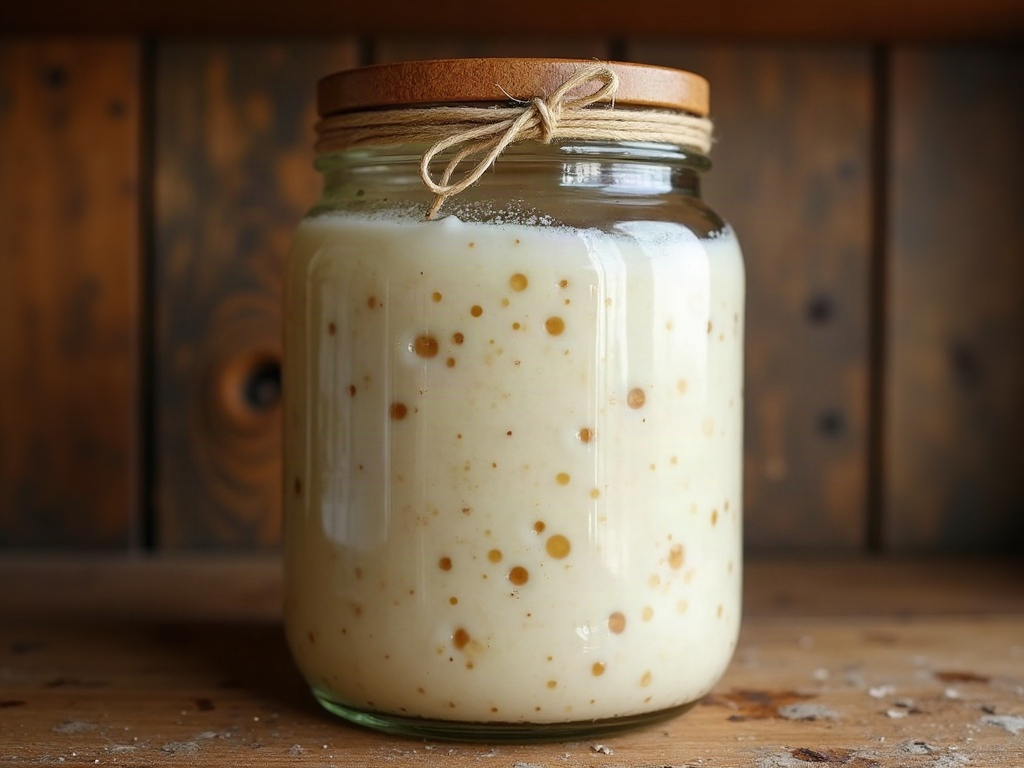
- Wait for the peak — the point where it has roughly doubled and the domed top just starts to flatten — then feed again 1:1:1. Repeat once or twice a day.
Put a rubber band at the fill line so you can actually see the rise instead of guessing. Within two to three days most starters bounce back to a reliable, predictable dome.
Quick reference
- Can you over-feed? No — you can only over-dilute or feed too often.
- Sluggish and mild-smelling? Over-diluted — use smaller 1:1:1 feeds.
- Sluggish, sharp/acetone smell, hooch? Under-fed — feed sooner or slightly bigger.
- Feed on the starter’s clock (at peak-and-just-falling), not the wall clock.
- Match the ratio to your bake time — small feed for a fast bake, big feed for an overnight one.
Once you think in ratios instead of amounts, the whole “am I feeding it wrong?” anxiety mostly disappears. Your starter is tougher than it looks — it just wants the right rhythm.
Want to see exactly what a healthy peak, an over-diluted feed, and a starving starter look like side by side? The full walkthrough lives on the LoafLovers YouTube channel, and our free sourdough troubleshooting guide has the feeding-ratio cheat sheet you can pin to the fridge — grab it and never second-guess a feed again.