You followed the recipe. Same flour, same starter, same steps as last week — and yet this loaf came out dense and tight when the last one was airy, or soupy and unshapeable when the last one behaved. Before you blame your starter, your technique, or the weather, look at how you measured. If the answer is “cups,” we’ve probably found your problem.
This isn’t baker snobbery. The single highest-leverage upgrade a struggling sourdough baker can make isn’t a banneton, a fancy flour, or a new folding technique. It’s an $15 digital scale and the habit of weighing in grams.
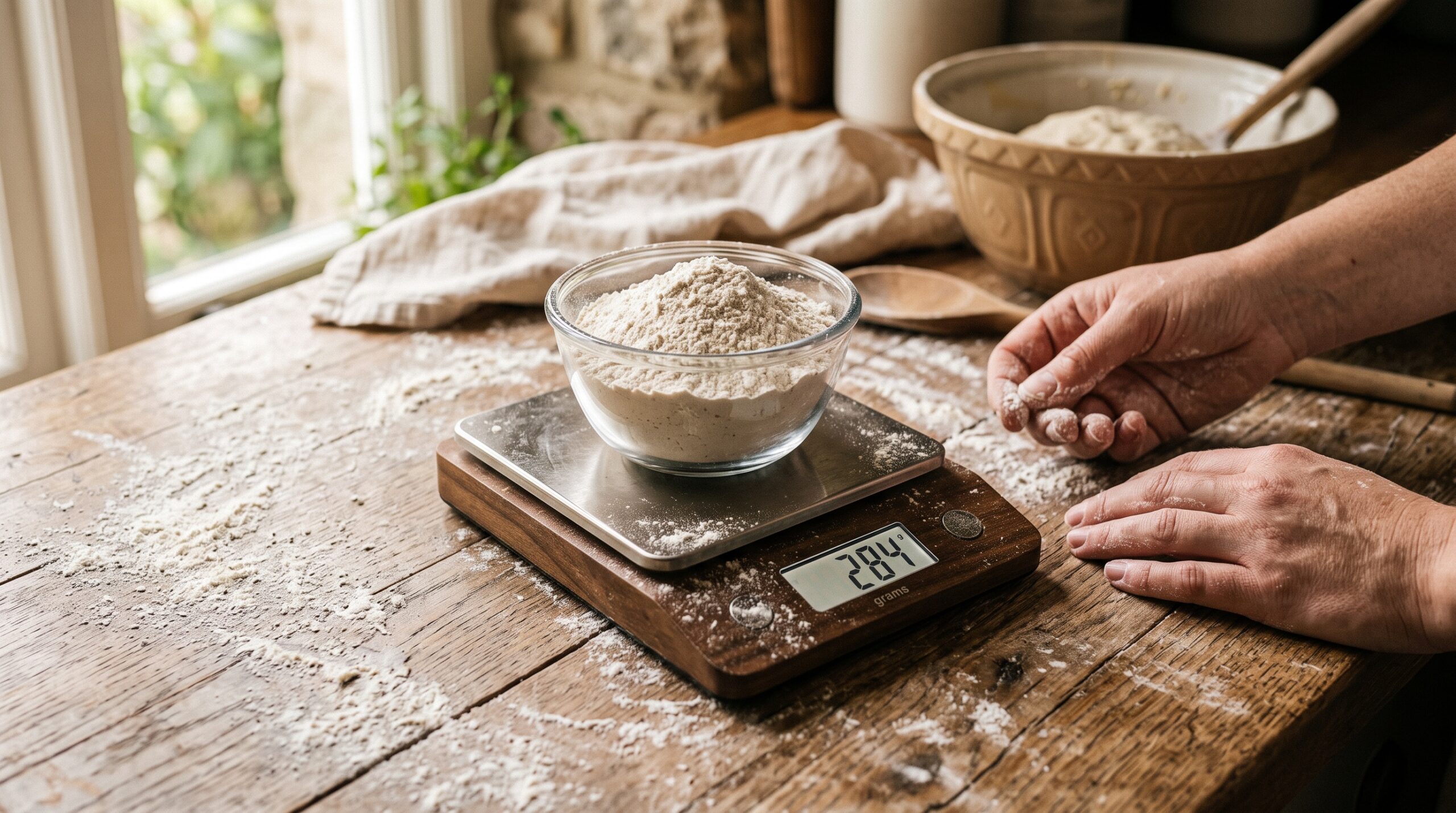
A cup of flour isn’t a cup of flour
Flour is fluffy, compressible, and wildly inconsistent by volume. Scoop it straight from the bag and you pack it down; spoon it in gently and you aerate it. Depending on how you fill the cup, “one cup” of bread flour can weigh anywhere from about 120 to 150 grams.
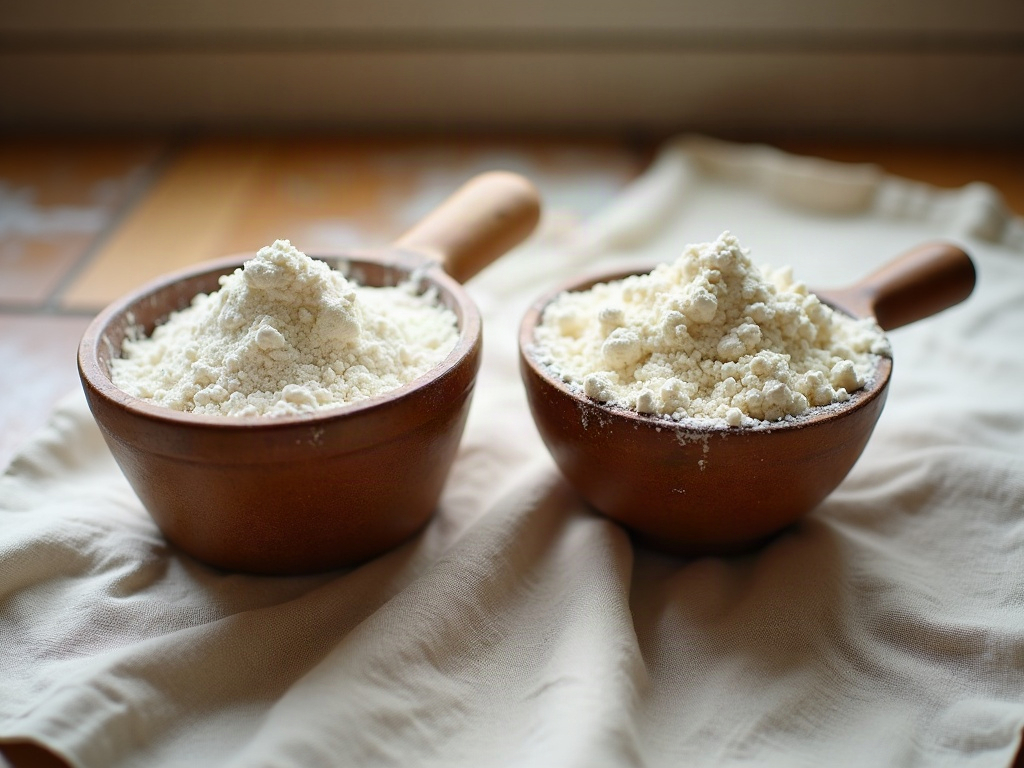
That’s a swing of up to 25 percent. In a recipe calling for three cups, you could be off by nearly a full cup of flour without doing anything “wrong.” Your water stayed the same, so your real hydration lurched. That is exactly why one bake is a stiff brick and the next is a sticky puddle — not bad luck, just a measuring tool that can’t hold still.
Hydration is a ratio, and cups can’t do ratios
Everything that makes sourdough behave — how slack the dough feels, how much it spreads, how open the crumb gets — comes down to the ratio of water to flour. Bakers call that hydration, and it’s a percentage: 350g water to 500g flour is 70% hydration, every single time.
You simply cannot track that with cups, because the cup itself keeps changing weight. When you weigh, hydration becomes a dial you can actually turn. Dough too tight and dense? Nudge the water up a few percent next time. Too slack to shape? Dial it back. With cups, you’re turning a dial that isn’t connected to anything.
One bowl, one scale, far less mess
Weighing is also just easier once you try it. Put your mixing bowl on the scale, press tare to zero it, pour in flour to your target number. Tare again, add water. Tare again, add starter and salt. The whole dough gets built in one bowl with nothing to wash but a spoon.
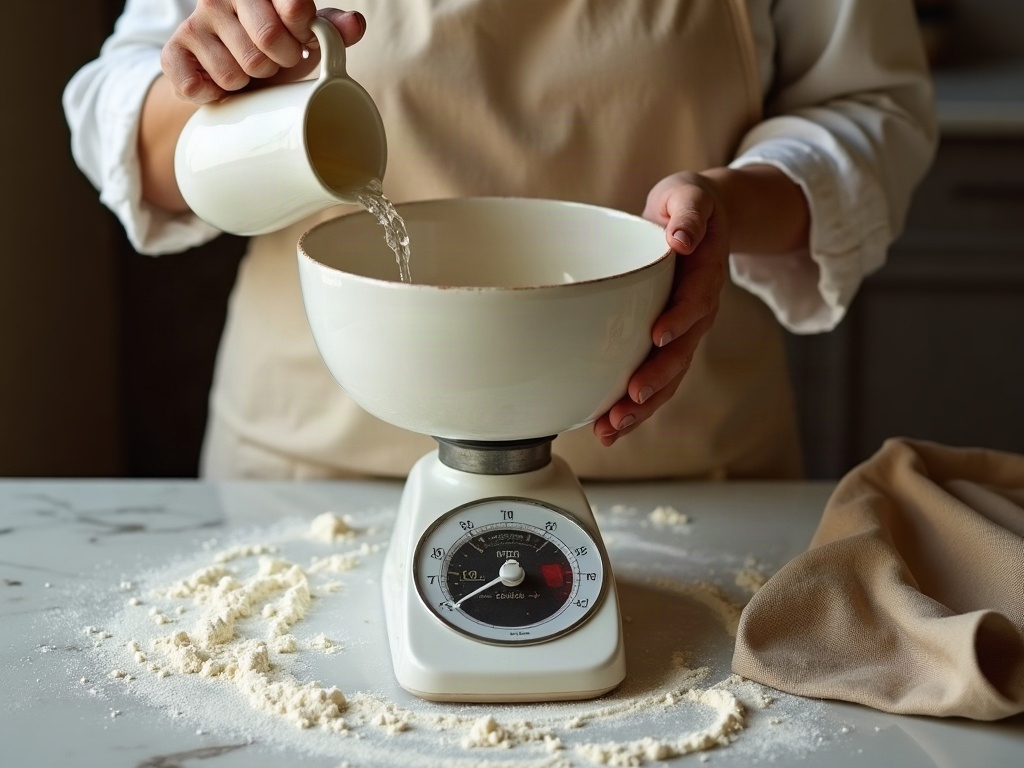
No nested cups, no leveling off with a knife, no spoons crusted with starter. For sticky ingredients especially — starter clings to a measuring cup and lies to you about how much you actually added — weighing straight into the bowl is both cleaner and honest.
It turns a recipe into something you can fix
Here’s the part that changes everything for a frustrated baker: when your bake is written in grams, a bad loaf becomes a solvable problem instead of a mystery.
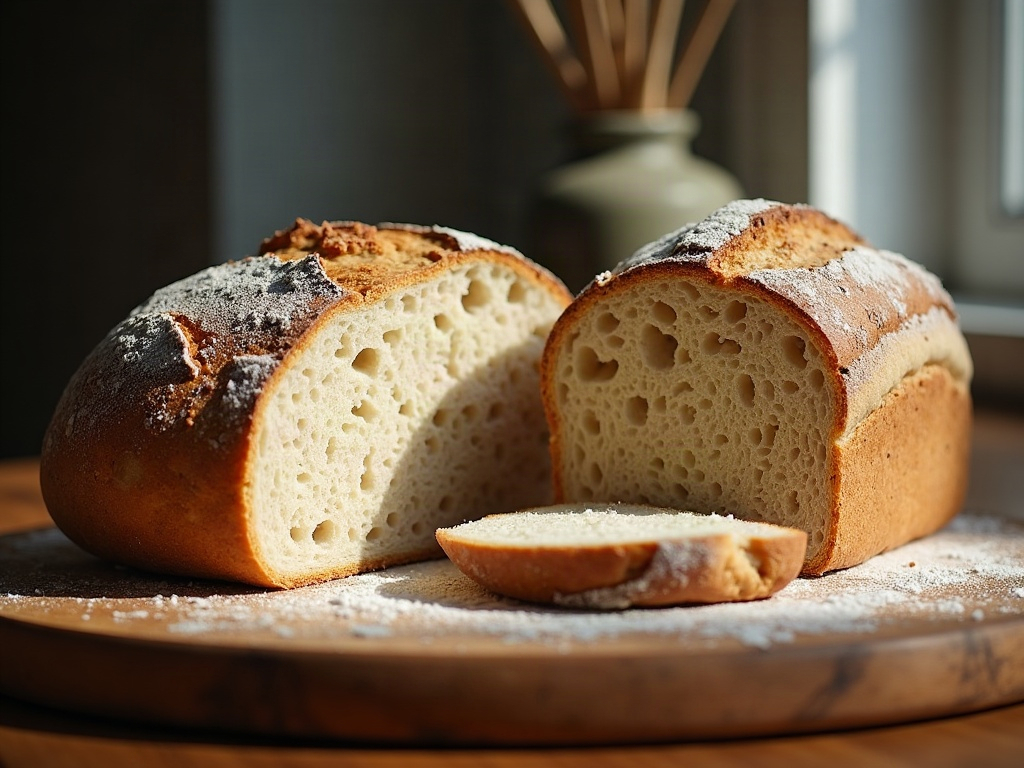
If you weighed everything and the loaf came out gummy, you can look back and reason: the hydration was 78% and this flour couldn’t handle it, so next time I’ll try 72%. If you used cups, you have no idea what you actually did, so you can’t change one thing and learn from it. Weighing is what lets you troubleshoot at all. Every “why is my loaf…” fix we talk about assumes you can repeat a bake — and you can’t repeat what you never measured.
How to switch over without the overwhelm
You don’t need to relearn baking. Grab any inexpensive digital scale that reads in grams (1-gram increments is fine) and has a tare button. Then use a simple starting formula you can memorize:
- 500g bread flour
- 350g water (that’s 70% hydration)
- 100g active starter
- 10g salt
That’s one standard loaf. Weigh it once, write down how the dough felt and how the crumb turned out, and adjust a single number next time. Keep a little notebook of your weights and results.

Within a few bakes you’ll stop chasing ghosts. The loaf that worked becomes a loaf you can make again on purpose — which, when you’re learning sourdough, is the whole game.
If you want to see the weighing-and-building flow in action, the full walkthrough lives on the LoafLovers YouTube channel, and our free sourdough troubleshooting guide covers the ratios step by step. Weigh it, write it down, and let your next loaf be a repeat instead of a roll of the dice.