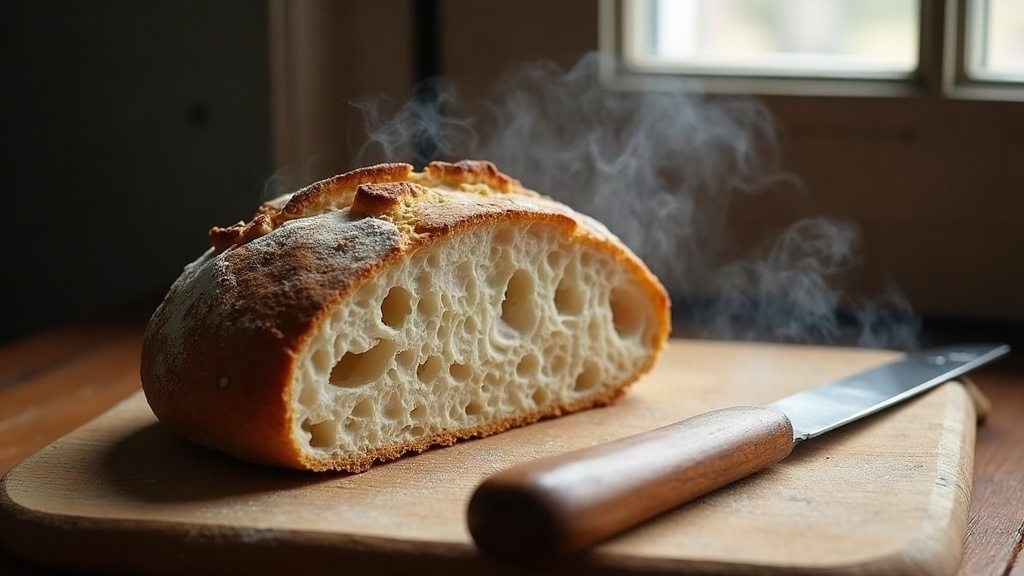
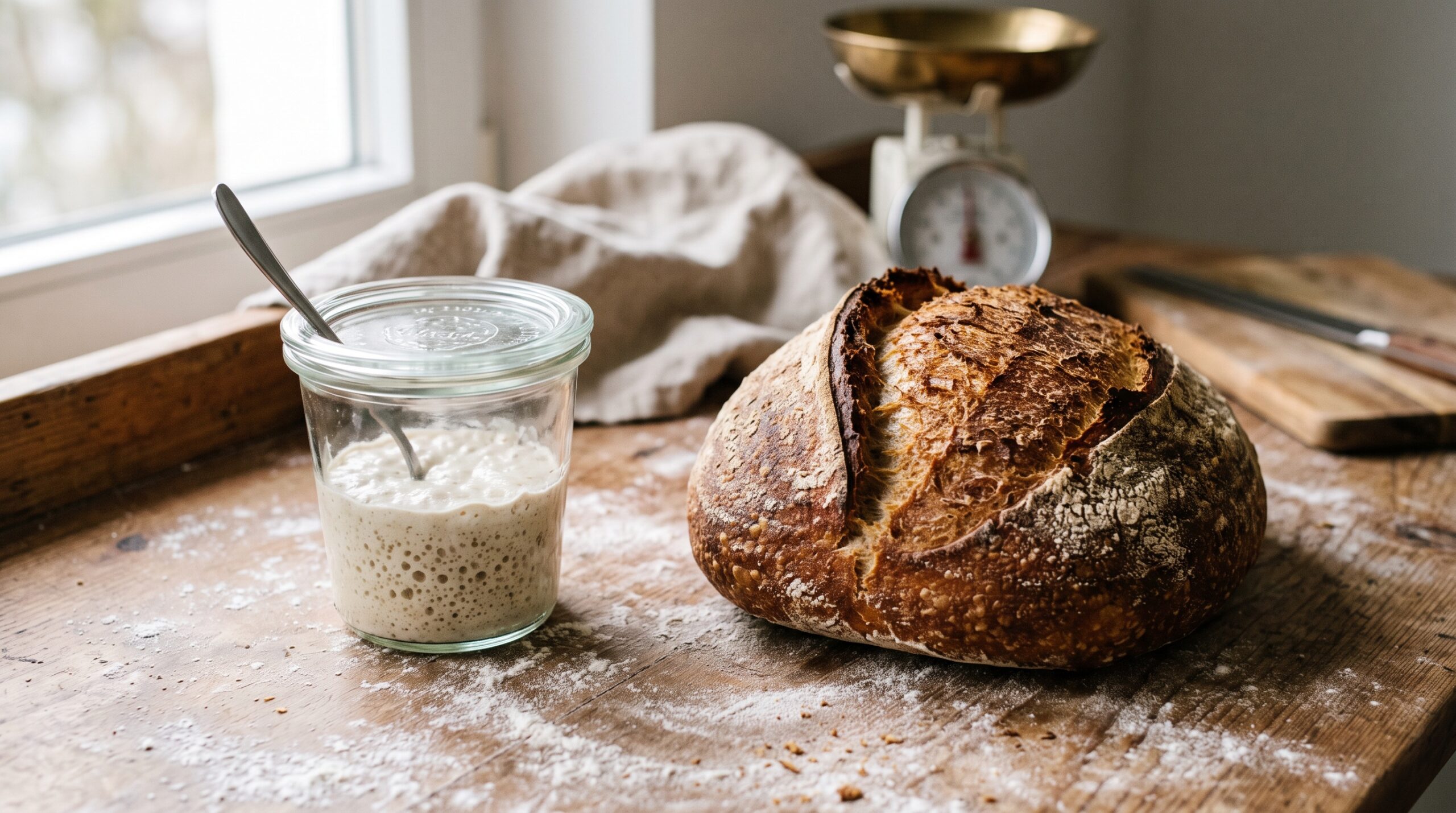
Somewhere along the way, sourdough got heavy. Not the bread — the setup. A giant jar of starter that needs feeding twice a day, a discard jar filling faster than you can bake, and the low-grade guilt of pouring perfectly good flour down the drain. If you only want to bake one loaf, once or twice a week, almost none of that is necessary. You can keep a tiny starter, feed it a spoonful at a time, and produce a beautiful loaf with barely any waste. Let us scale sourdough down to the size it actually needs to be.
Why You Have Way More Starter Than You Need
Here is the thing nobody tells beginners: most recipes and starter guides are written around maintaining a large, always-ready culture — often 100 grams or more, fed with equal weights of flour and water every day. That made sense for someone baking multiple loaves or feeding a family bakery habit. For one loaf a week, it is wild overkill. A single standard loaf needs only 50 to 100 grams of active levain. Keeping hundreds of grams of starter alive to produce that is like idling a truck to charge your phone. The excess is exactly where your discard mountain comes from.
How Much Starter One Loaf Actually Needs
Work backwards from the loaf. A typical single loaf uses around 400 to 500 grams of flour, and most recipes call for roughly 20 percent of that as levain — call it 80 to 100 grams of bubbly, ripe starter going into the dough. That is all you need to build for a bake. You do not need to store that much between bakes. You only need to keep a small seed alive — a stock starter of a tablespoon or two — and grow it into a fresh levain the night before you bake. Build what you need, when you need it. Nothing sits around going to waste.
The Tiny-Starter Method
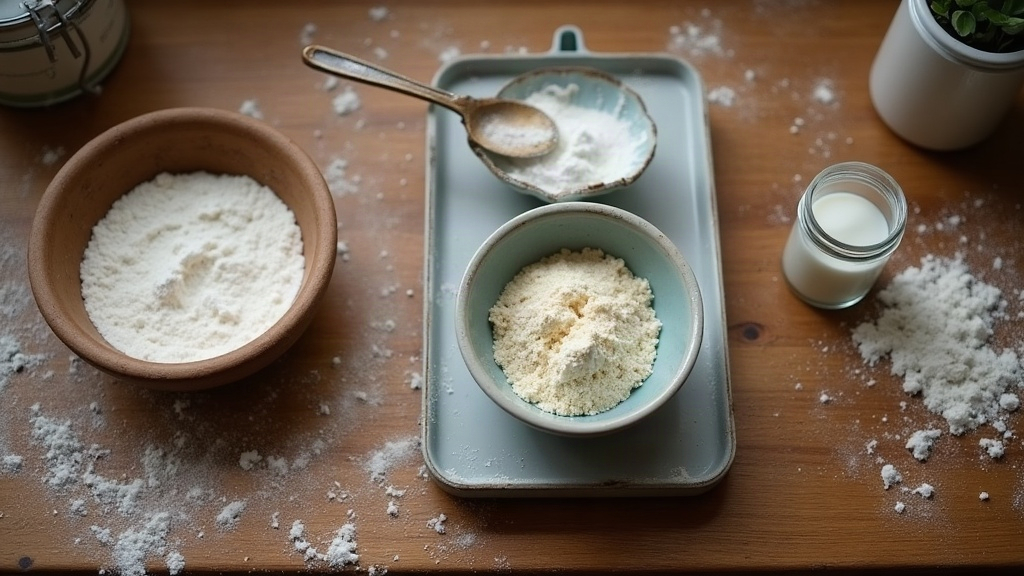
This is the whole trick, and it is simple. Keep a very small stock starter — just 10 to 20 grams — in a little jar. The night before you bake, take a small spoonful of it and feed it with the flour and water you need to reach your target levain amount. For one loaf, that might mean mixing 10 grams of seed with 40 grams of flour and 40 grams of water to wake up around 90 grams of ripe levain by morning. Before you use it, feed the stock jar one more tiny time to keep the culture going, then set it aside. You have built exactly the levain the loaf needs, kept the mother alive, and created almost no discard in the process.
A Simple Small-Batch Framework
Baker’s percentages make scaling painless because everything is a percentage of the flour weight. A reliable single loaf looks like this: 100 percent flour (say 450 grams), 70 to 75 percent water, 20 percent levain, and 2 percent salt. That gives you one manageable loaf with an open crumb and no leftover dough to deal with. Mix, do a few stretch and folds to build strength, bulk ferment until the dough is puffy and jiggly, shape, proof, and bake. The method is identical to any full-size sourdough — you have just right-sized the numbers so nothing is wasted.
Storing the Tiny Starter Between Bakes
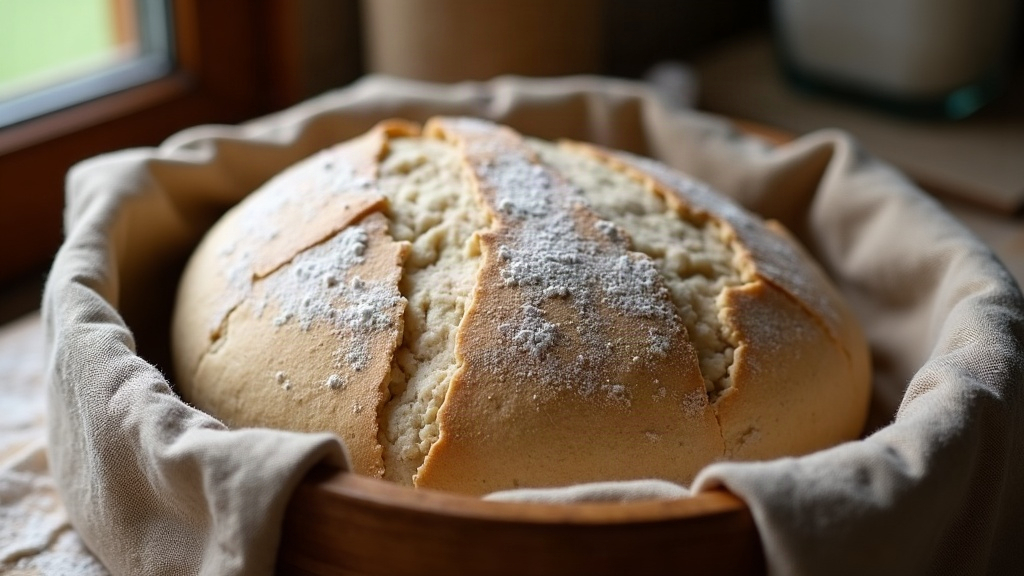
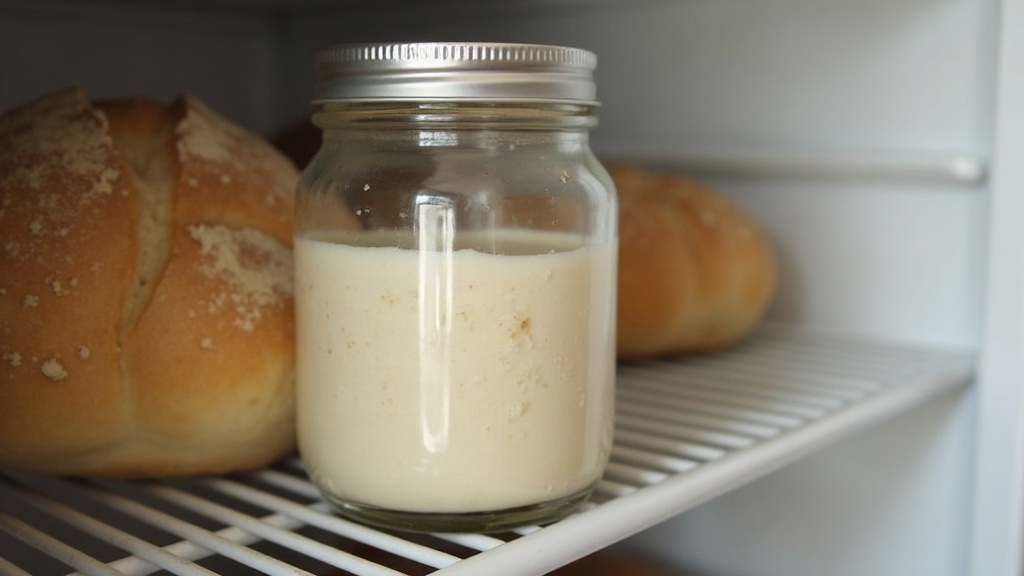
If you bake once a week, your stock starter should live in the fridge, not on the counter. Cold slows the culture down so it can go five to seven days between feedings without complaint. A day before you plan to build your levain, take it out, give it one small feed, and let it wake up at room temperature until it is bubbly and lively again. Then build your levain as above. For an occasional baker, this is the low-effort dream: a spoonful of starter in the back of the fridge, a quick feed to rouse it, and you are ready. If it has been neglected longer than that and smells sharp or has a layer of liquid on top, it is not dead — it just needs a couple of feeds to bounce back.
Where Small-Batch Bakers Go Wrong
Two mistakes trip people up. The first is letting the tiny stock starter get too weak — if you keep it very small and very cold and never feed it, it loses vigor and your levain will be sluggish and your loaf dense. The fix is a single feed to wake it fully before every bake, and an occasional counter feed to keep it strong. The second is trying to build too much levain from too little seed in one jump — a pinch of starter cannot ripen a huge feed overnight. Keep your build ratios modest, roughly one part seed to four or five parts fresh flour and water, and give it time. Respect those two rules and the tiny-starter method is bulletproof.
The Honest Payoff
Small-batch sourdough is not a compromise. You get the same crackling crust and open crumb as any loaf — you simply stop maintaining infrastructure you were never using. Less flour spent feeding a jar you do not bake from. Almost no discard, and what little you have can go straight into a quick discard recipe. Less guilt, less fuss, and a fridge that holds a spoonful of starter instead of a science experiment. If sourdough has felt like too much to keep up with, this is how you make it fit a real life: one good loaf, a tiny starter, and next to nothing wasted.