You meant to bake an hour ago. Life happened. Now you’ve peeled back the cover and the dough looks… wrong. It’s slack and loose, puffed with fragile bubbles, and when you tip the banneton it slumps out wide and low instead of holding a proud round. That sinking feeling has a name: your dough overproofed. The yeast and bacteria kept eating, kept producing gas, and eventually ate through the very gluten structure that was supposed to trap it. The good news is that you almost certainly haven’t wasted your flour. The honest news is that what you do in the next ten minutes decides whether you get bread or a brick.
Let’s walk through it calmly, the way you’d want someone to if they were standing in your kitchen: first figure out how far gone it is, then pick the rescue route that matches. There’s almost always something good to pull out of the oven.
First, is it actually overproofed?
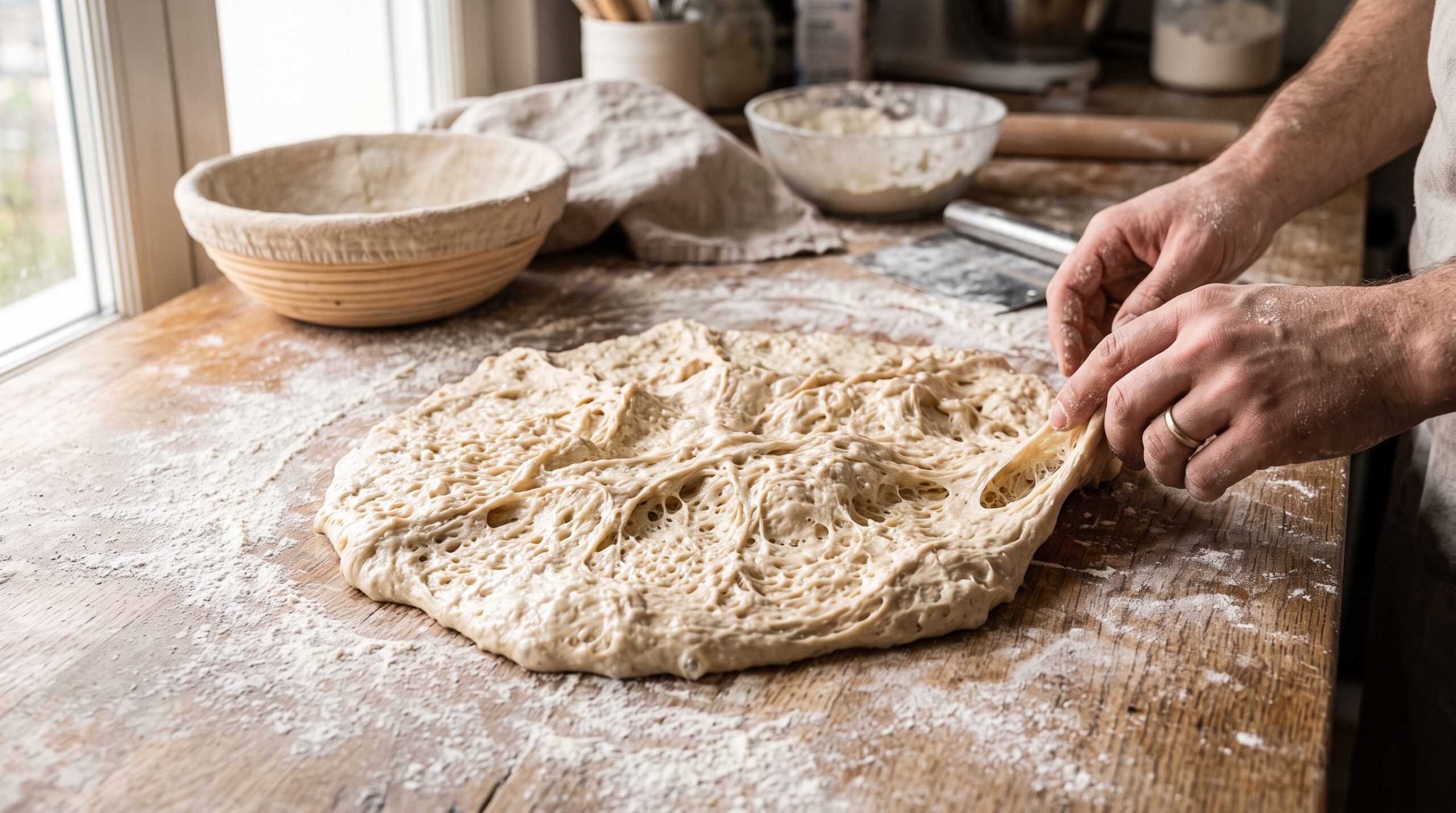
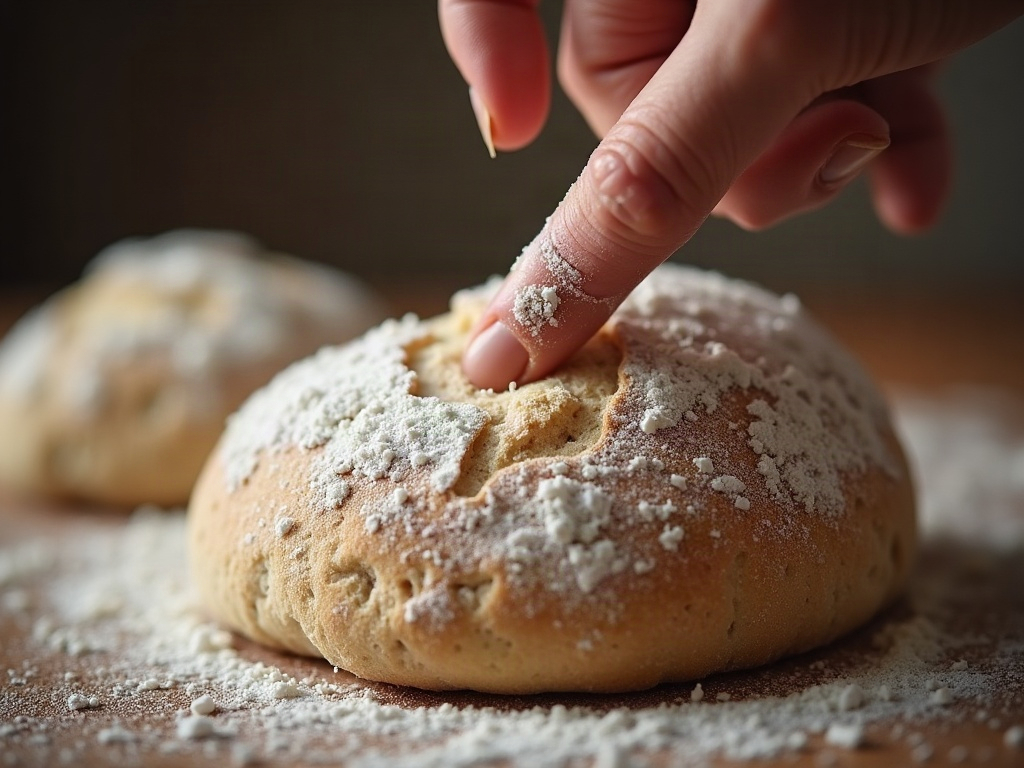
Before you change course, make sure you’re solving the right problem – a lot of “overproofed” dough is really just cold, slow dough that needs more time. The quickest check is the poke test: wet a fingertip and press gently about half an inch into the dough. Properly proofed dough springs back slowly and leaves a shallow dent. Overproofed dough doesn’t spring back at all – the dent stays put, and the dough may even sigh or deflate a little where you touched it. You’ll often see other tells too: a domeless, flattened top, a surface stippled with large thin-walled bubbles, a boozy or sharply sour smell, and a slack, almost soupy feel when you handle it.
If you’re genuinely unsure which way it’s gone, it’s worth two minutes to read our full breakdown of how to tell overproofed from underproofed sourdough, because the two look nothing alike once you know the signs – and the fixes are opposite. For the rest of this article, we’ll assume the poke test confirmed it: the dough is over, not under.
Why it happened (so it doesn’t happen again)
Overproofing is almost always about time and temperature outrunning your expectations. Dough ferments dramatically faster in a warm kitchen – a bulk rise that takes five hours at 68°F can finish in half that on a hot afternoon, and a dough left on a sunny counter can gallop past its peak before you’ve finished the dishes. Too much starter in the mix, a very active starter at its peak, or a dough that simply sat longer than planned all push it the same direction. Summer heat is the single most common culprit; if that’s your situation, our guide to managing sourdough in a hot kitchen will keep the next batch on schedule. For today, though, the clock has already run out – so let’s salvage.
Can you save it? The honest answer
Yes, with one caveat: you usually can’t restore it to the tall, open-crumbed boule you were hoping for. The gluten network that gives a loaf its height has been partly digested, and no technique rebuilds it. What you can do is redirect the dough toward a shape and a bake that don’t depend on that structure. Think of it as changing the destination, not repairing the engine. The route you pick depends entirely on how far past peak it went.
Rescue route 1: mildly overproofed – reshape and bake soon
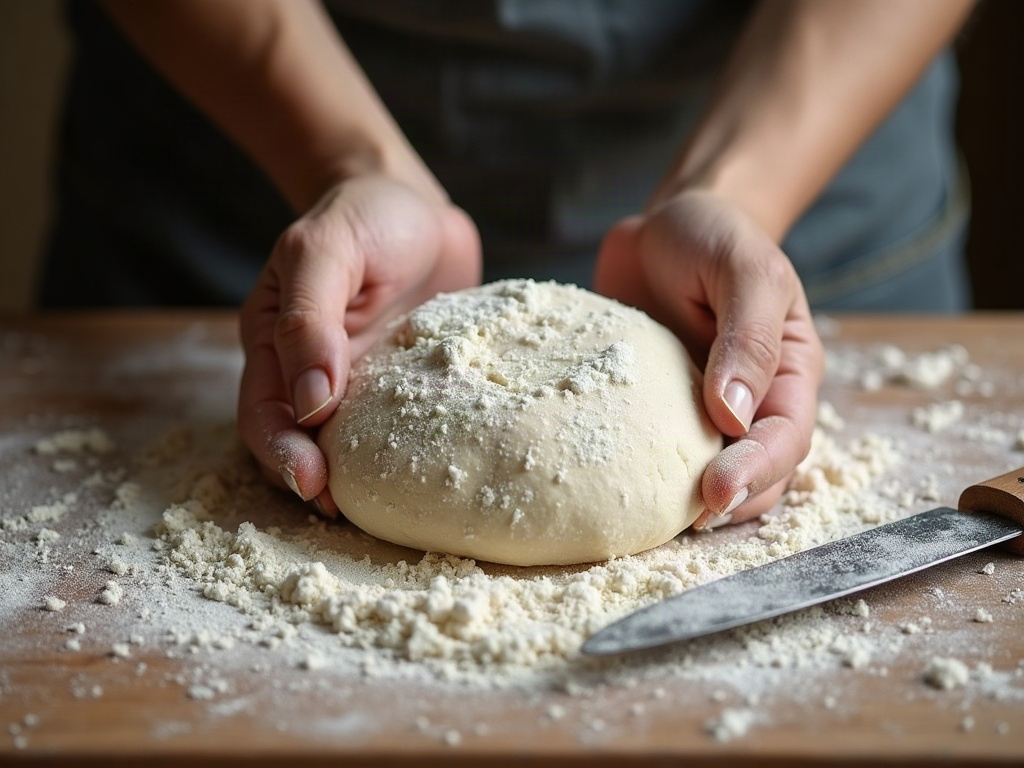
If the dough is only slightly past its best – it slumps a bit but still has some body and the bubbles aren’t paper-thin – you can often still get a respectable loaf. The move is to add back a little surface tension and bake without delay. Turn it gently onto a lightly floured counter, trying not to knock out more gas than you have to, and give it a soft re-round: cup your hands around it and drag it toward you a few times to pull the skin taut. Don’t knead or degas aggressively; you’re coaxing, not punishing.
Then skip or drastically shorten the final proof – the dough has no patience left. A short 15 to 20 minute rest to relax the surface, then score lightly and get it straight into a hot, well-steamed oven. Because the structure is weak, expect a flatter loaf with a tighter crumb, and don’t be shy with your scoring depth; a confident cut still helps it open. If the re-round feels hopeless and the dough keeps flowing back out flat, don’t fight it – move to route 2.
Rescue route 2: far gone – turn it into a flatbread
Here’s the secret every experienced baker knows: an overproofed dough makes an excellent focaccia. Focaccia, flatbread, and pizza don’t want height or an open crumb – they want exactly the loose, extensible, flavor-packed dough that overproofing hands you. So stop trying to make it be a boule.
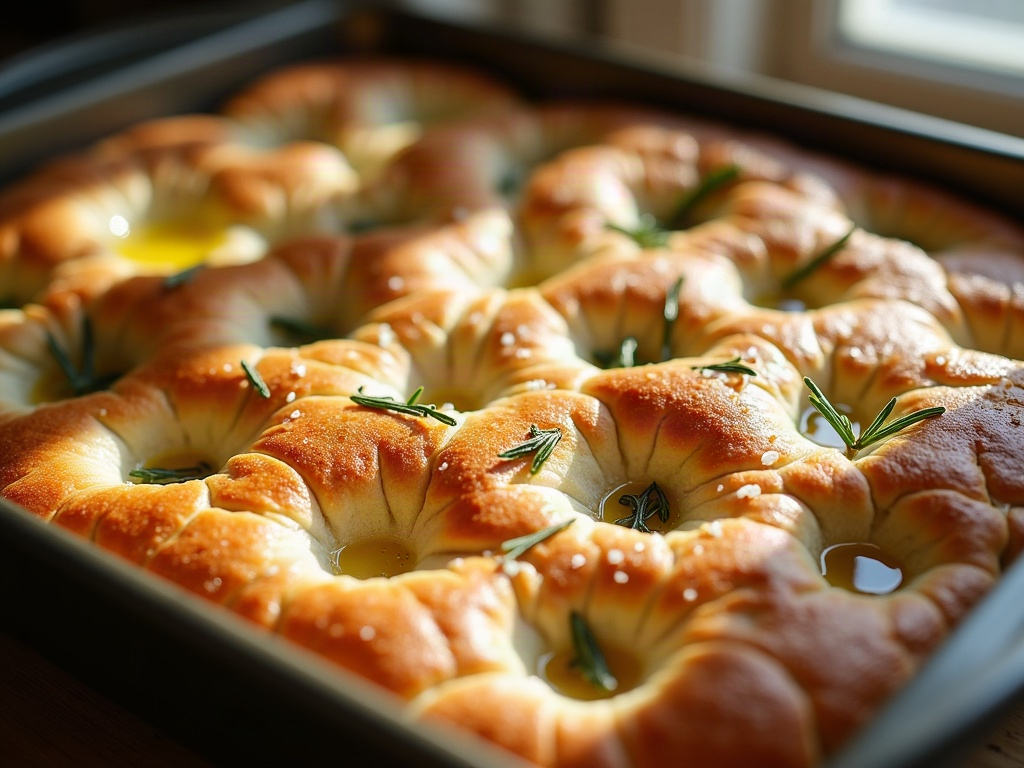
For focaccia, pour a generous slick of olive oil into a baking pan, scrape the slack dough in, and let it relax for 20 to 30 minutes until it spreads to fill the pan. Dimple it all over with oiled fingertips, add flaky salt and rosemary, and bake hot until deep gold. The long fermentation that ruined it for a boule gives the focaccia a wonderful depth of flavor – you may end up preferring it. You’ll find the full method in our forgiving sourdough focaccia guide. The same logic turns slack dough into a thin, blistered pizza base: stretch it onto a tray or stone, top it, and bake – our sourdough pizza crust method walks through the shaping.
Rescue route 3: when it’s truly soup
Occasionally dough goes so far that it’s less a dough and more a sticky, pourable batter with a strong alcohol smell – the gluten has basically dissolved. You can’t shape that into anything. But you still don’t have to throw it away: a very slack, overfermented dough behaves a lot like sourdough discard. Thin it slightly and use it as the base for pancakes, flatbread cooked in a skillet, savory fritters, or crackers. It won’t rise, but it will taste tangy and bake up fine. Treating a lost dough as a discard-style batter is the difference between a wasted afternoon and a decent snack.
What to expect from the rescued bake
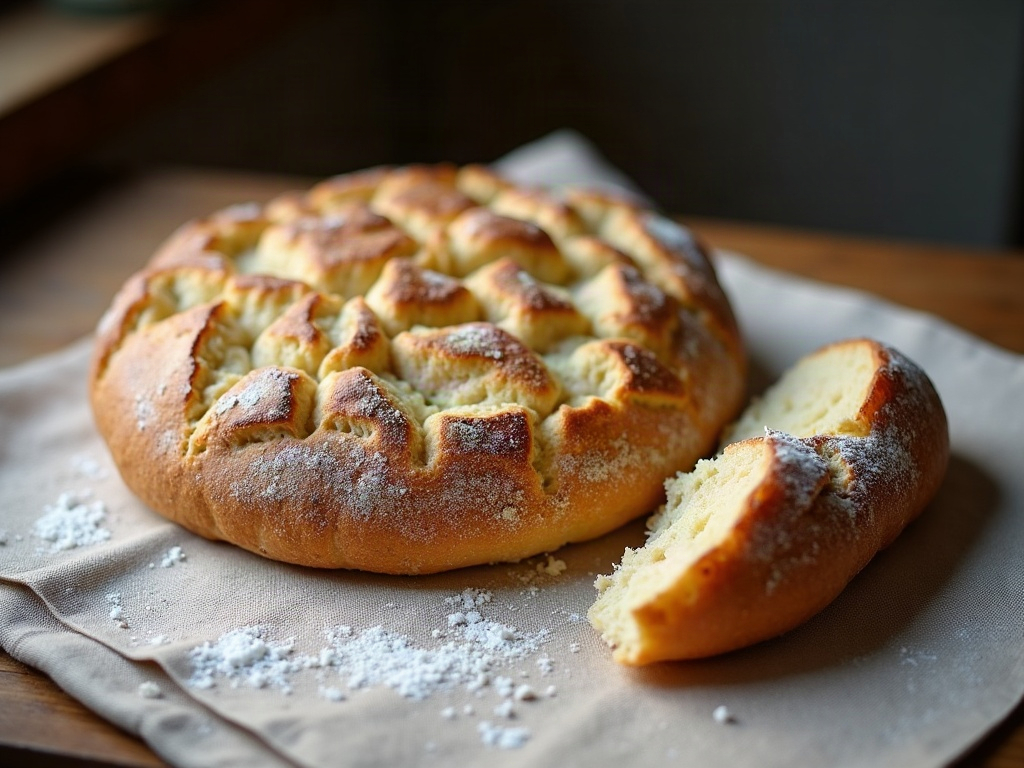
Set your expectations honestly and you won’t be disappointed. A rescued loaf will be shorter and denser than your best work, with a more closed crumb and often a paler, less dramatic ear – that’s the physics of a weakened structure, not a mistake on your part. A rescued focaccia or flatbread, on the other hand, can be genuinely excellent, because it’s playing to the dough’s strengths. If your rescued boule comes out wide and low, that’s not a second failure; it’s the expected result, and the same forces are explained in our piece on why sourdough bakes flat and spreads instead of rising tall. Flatter but delicious still beats a loaf in the bin.
Preventing the next one
The real fix is upstream. Watch the dough, not the clock – fermentation finishes when the dough has risen 50 to 75 percent and feels airy and jiggly, whatever the recipe’s suggested time says. In a warm kitchen, shorten the bulk rise, use a touch less starter, or move the dough somewhere cooler. And when you genuinely can’t bake on time, put the shaped dough straight into the fridge: cold dramatically slows fermentation and buys you hours, which is far safer than leaving it out to gallop past peak.
Catching an overproofed dough early and steering it to focaccia is a move that comes with experience – and it’s much easier to see the slack-dough handling, the gentle re-round, and the focaccia dimpling than to read it. The full step-by-step is on the LoafLovers YouTube channel, and our free sourdough troubleshooting guide walks you through the usual suspects – overproofed slump, flat loaves, sluggish starters – one symptom at a time, so the next bake lands on schedule.