You’ve got a sourdough loaf you can make in your sleep. So one weekend you decide to level up: a soft, golden, brioche-style sourdough, enriched with butter, milk, an egg, and a little sugar. You follow your usual timings. And what comes out of the oven is dense, squat, faintly greasy, and barely risen – nothing like the pillowy loaf you pictured. Nothing was wrong with your technique. The problem is that the moment you add fat, dairy, eggs, and sugar, you’re no longer baking the same kind of bread, and the old rules stop applying.
Enriched dough isn’t harder than lean sourdough, but it’s genuinely different, and once you understand what each addition does, the fixes are obvious. Let’s take it apart.
What “enriched” actually means
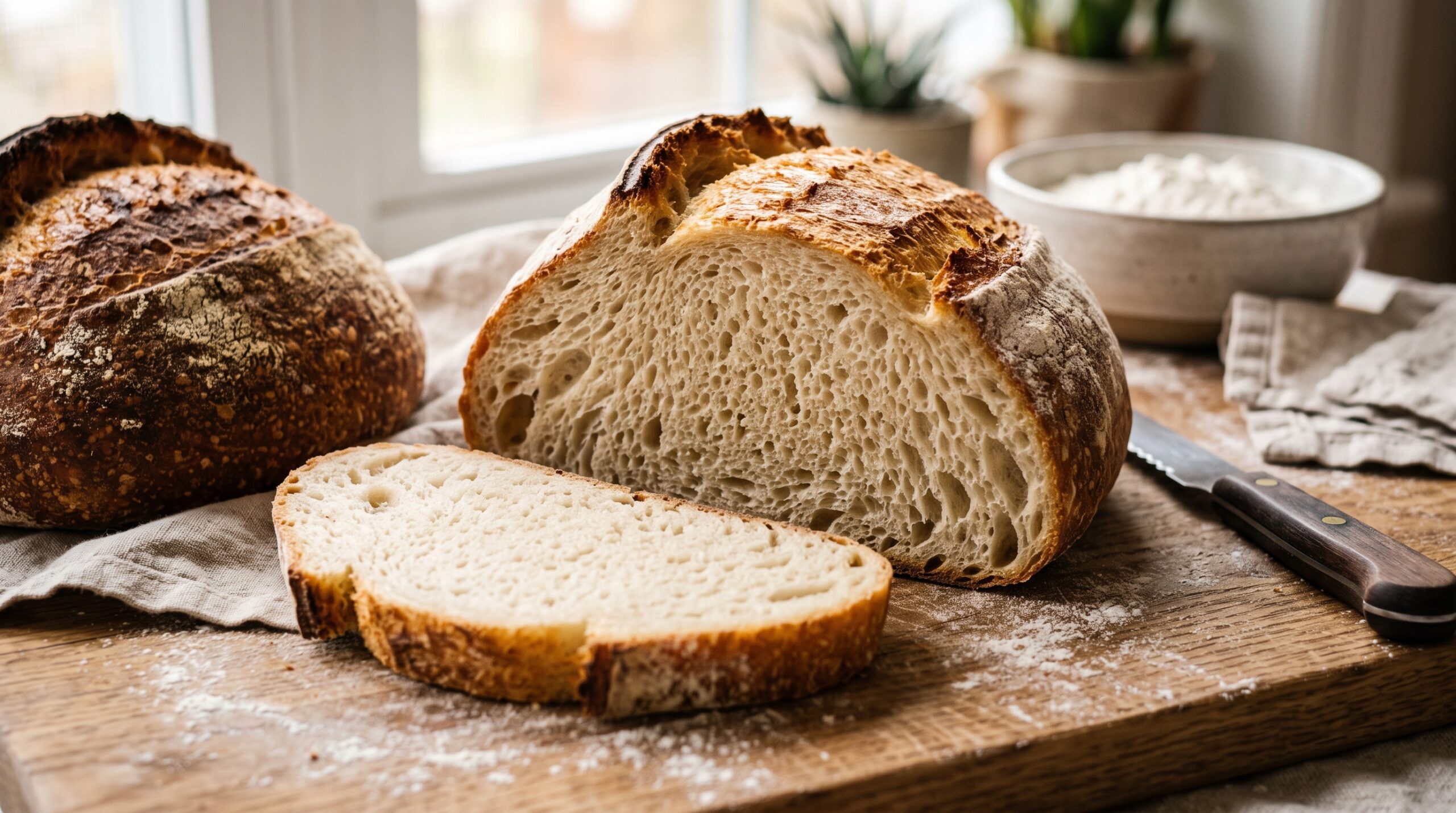
A lean dough is the classic four ingredients: flour, water, salt, and starter. That’s your everyday crusty boule. An enriched dough adds anything beyond those – fat (butter or oil), dairy (milk), eggs, and sweeteners (sugar or honey). Think sandwich bread, brioche, cinnamon rolls, soft dinner rolls. The payoff is a tender, close crumb, a soft crust, a richer flavor, and bread that stays fresh longer. The cost is that every one of those additions makes the dough behave differently – and usually, more slowly.
Fat: the softness you want, the gluten problem you don’t
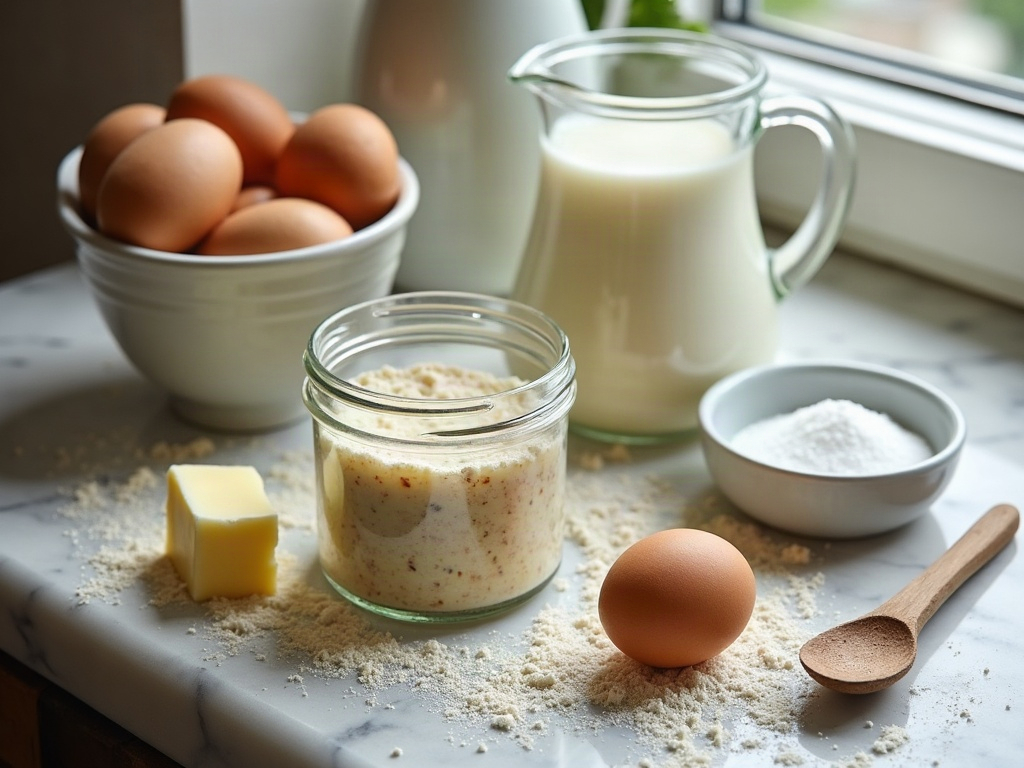
Fat is why enriched bread is so tender – and why it can turn into a brick if you mishandle it. Butter and oil coat the strands of gluten as they form, lubricating them so the crumb comes out soft and short rather than chewy and elastic. That’s exactly the texture you’re after.
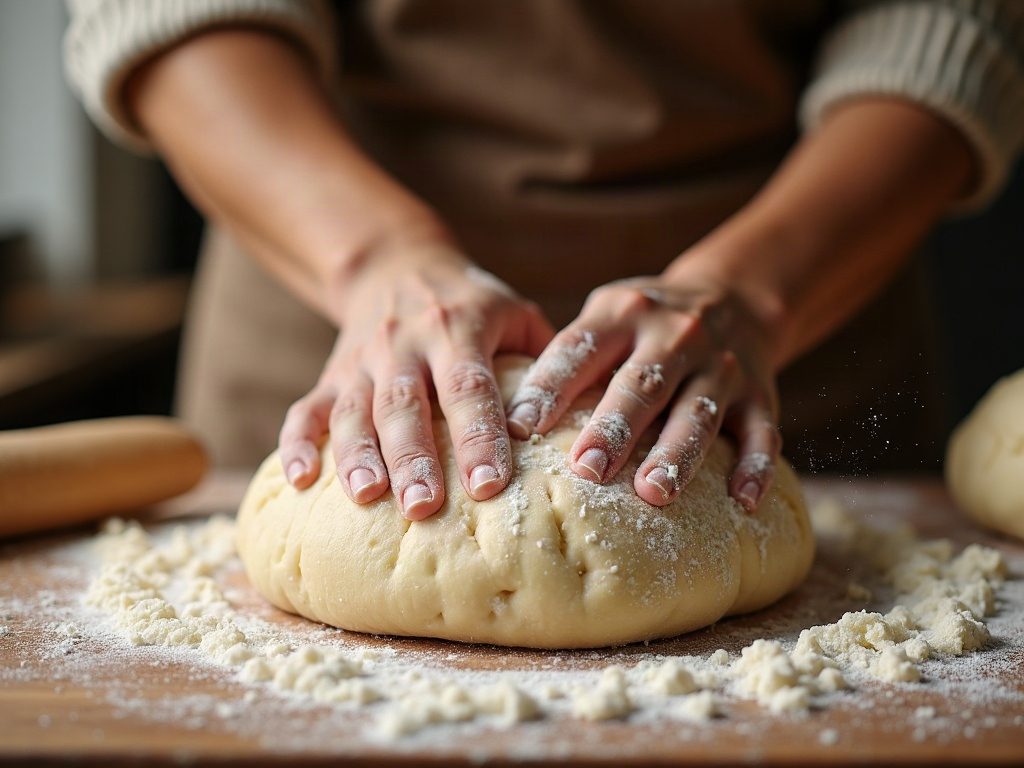
The trouble is that gluten needs water and contact to develop, and fat gets in the way of both. If you dump softened butter in at the very start, it coats the flour before a proper gluten network can form, and you get a dough that never builds enough structure to rise tall – so it bakes dense. The fix is all about order: build your gluten first with the flour, liquid, and starter, let it come together into a strong, stretchy dough, and only then work the softened butter in a little at a time until it’s fully absorbed. It’ll look like it’s falling apart for a minute; keep going and it comes back together smooth and supple.
Sugar and dairy: why your starter suddenly drags its feet
Here’s the surprise that catches most bakers out: sugar and milk both slow down fermentation, which is the opposite of what you’d guess. You’d think sugar would be rocket fuel for the yeast, and in small amounts it is. But in the richer quantities an enriched dough uses, sugar is hygroscopic – it pulls water away from the yeast and bacteria in your starter, leaving them sluggish in a thicker, stickier environment. High-sugar doughs can ferment noticeably slower for exactly this reason.
Dairy adds its own drag. Milk brings fat and proteins that weigh the dough down and soften the gluten further, and the fats coat the yeast much the way butter coats the flour. The practical consequence is the single most important thing to know about enriched sourdough: it rises more slowly than lean dough, often a lot more slowly. If you give an enriched loaf the same bulk ferment you’d give a plain boule, you’ll under-proof it every time – and under-proofing is the number-one reason a rich loaf bakes dense and heavy. When you’re diagnosing a gummy, tight crumb, the thinking is the same as with any dense, underbaked loaf: more often than not, it simply needed more time.
Eggs: richness, color, and a little extra lift
Eggs are the friendliest addition. The yolks bring fat and emulsifiers that make the crumb rich and tender and help everything stay mixed; the whites bring protein and water that add a touch of structure and lift. They also deepen the color and give that classic golden, slightly cakey crumb. The one thing to watch is your overall liquid: an egg is mostly water, so count it toward your hydration or the dough will come out wetter and slacker than you intended.
How to adjust your whole process
Put it together and a few clear changes fall out. Give it more time. Expect bulk fermentation to run longer than your lean-dough routine – watch the dough, not the clock, and look for a genuine, confident rise before you shape. A warm spot helps enormously here, since the extra fat and sugar already have fermentation fighting uphill.
Mix in the right order. Flour, liquid, egg, and starter first; salt and sugar next; soft butter last, worked in gradually once the gluten is strong. Mind your hydration. Milk and egg are liquids – fold them into your total water so you don’t end up with a soup. And bake cooler. All that sugar and dairy browns fast, so an enriched loaf baked at your usual high crusty-boule temperature will be mahogany outside and raw inside. Drop the oven temperature and bake a little longer and more gently; because the crust stays soft, this is one case where a loaf pan often suits enriched dough better than a Dutch oven.
Set your expectations for the crumb, too
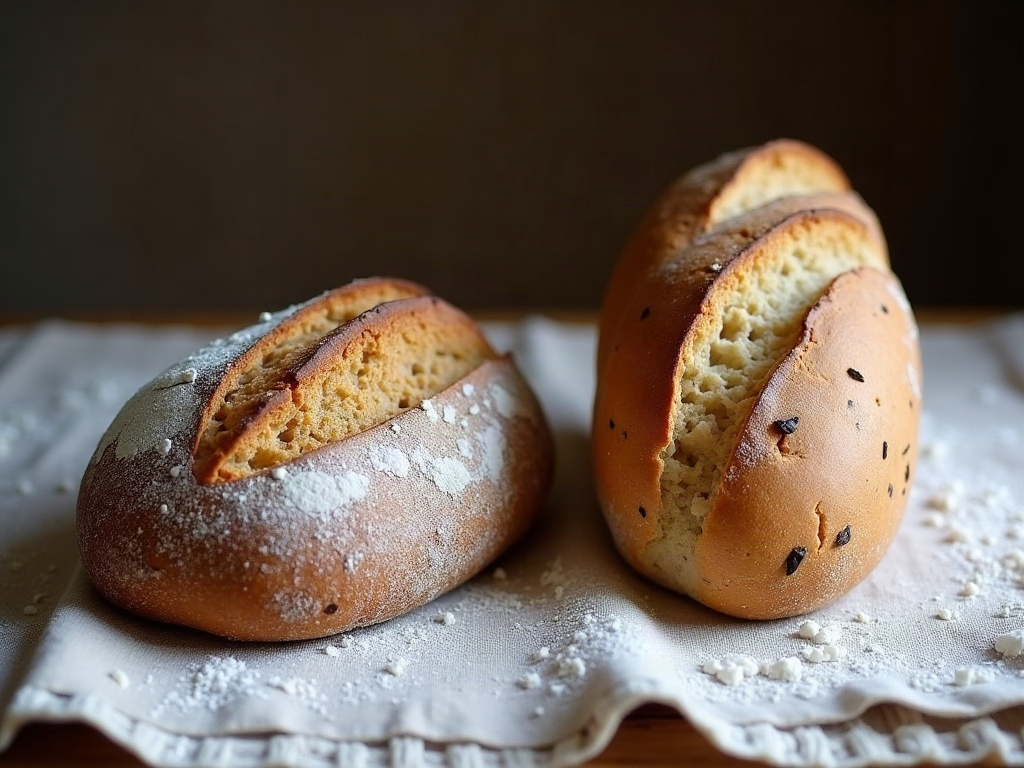
One last mental adjustment: stop chasing the wild, open, hole-filled crumb you prize in a lean loaf. Enriched bread is supposed to have a fine, tight, even crumb – that’s what makes it soft and sliceable and perfect for toast or a sandwich. A brioche riddled with big irregular holes would be a failure, not a triumph. So when your enriched loaf comes out with a close, tender, uniform texture, that’s not a flat crumb – that’s the whole point.
Enriched sourdough asks for patience and a slightly different order of operations, but it rewards you with the softest, richest bread in your repertoire. Build the gluten, add the fat last, give it the long rise it’s quietly begging for, and bake it gentle. Your first tender, golden loaf is closer than that dense first attempt made it feel.
Want to see the mixing order and the butter-incorporation step in motion? The full walkthrough lives on the LoafLovers YouTube channel, and our free sourdough troubleshooting guide covers the dense-loaf fixes in one place.