Open your fridge right now and there’s a decent chance a jar of sourdough discard is sitting in the door, quietly filling up and quietly making you feel guilty. The holidays make it worse — you’re feeding your starter more, baking more, and that jar grows faster than you can use it. Here’s the happiest possible answer to the discard problem: turn it into gingerbread.
Sourdough discard and gingerbread were made for each other. The discard adds moisture and a faint tang that cuts the sweetness, the molasses and spice completely hide any sourness you were worried about, and the whole thing comes together in one bowl in about ten minutes. No long ferment, no banneton, no anxiety about the rise. If you’ve been intimidated by discard recipes, this is the one to start with — it’s nearly impossible to get wrong.
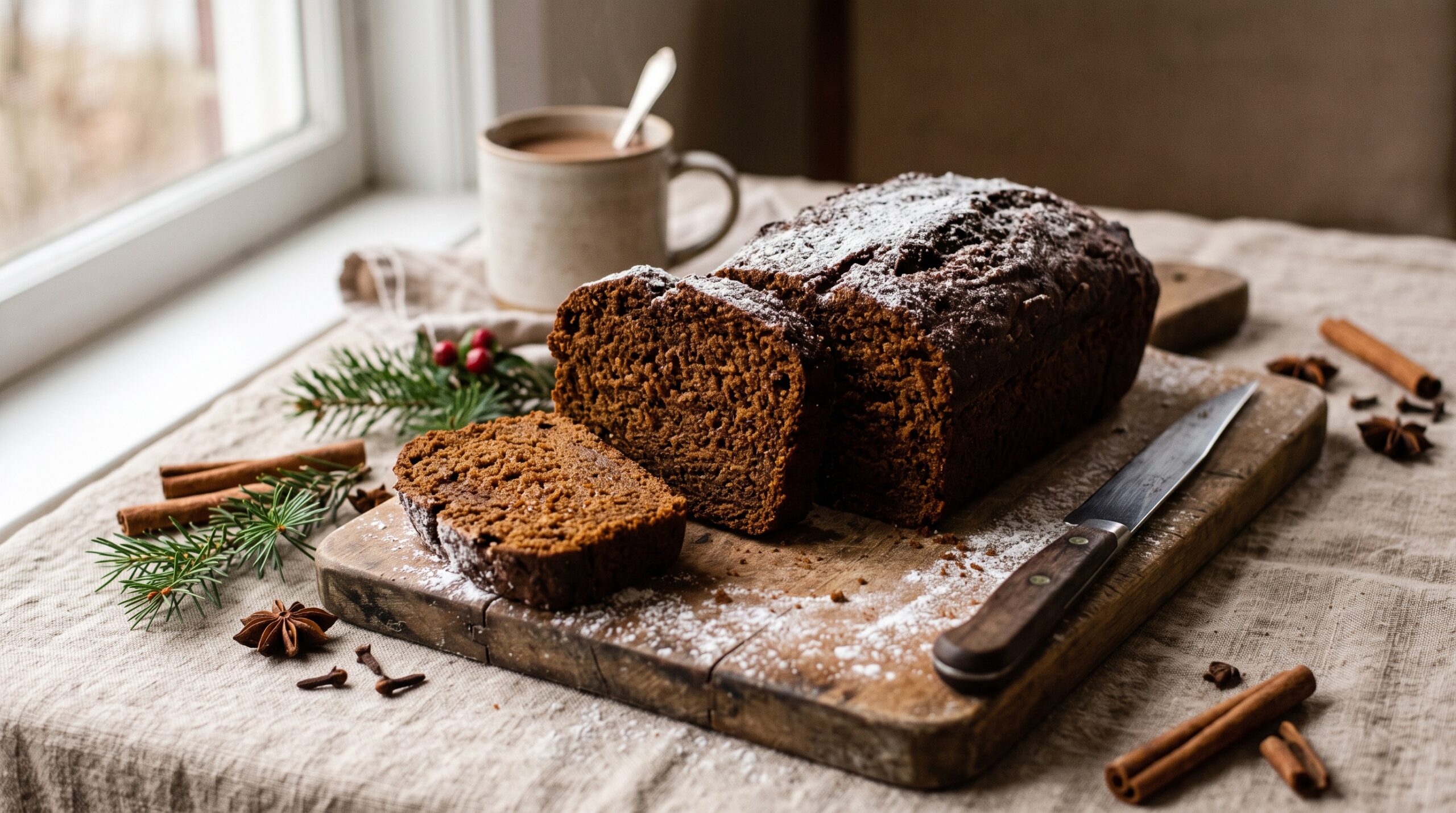
Why discard belongs in gingerbread
A lot of bakers assume discard will make a sweet bake taste sour. In a delicate vanilla cake, maybe. In gingerbread? Not a chance. Dark molasses, ground ginger, cinnamon, and cloves are some of the loudest flavors in the baking cabinet, and they roll right over the mild tang of discard. What you’re left with is depth, not sourness — the same way a splash of buttermilk makes a cake taste richer rather than acidic.
The discard earns its place in two real ways. First, moisture: that loose flour-and-water slurry keeps the crumb tender and helps this loaf stay moist for days, which is exactly what you want in a spiced quick bread. Second, a little structure and a gentle lift — the fermented flour gives the batter something to hold onto. You’re not relying on the discard to make the loaf rise (baking soda and the molasses handle that), so it genuinely does not matter whether your discard is fresh or has been languishing in the jar for a week. Old, slightly boozy discard works beautifully here. If you’ve been wondering whether that jar is still good, our guide to keeping your starter in the fridge versus the counter covers how long discard keeps and when to actually toss it.
The recipe: one bowl, under an hour
This makes one standard loaf (roughly a 9×5 pan). Everything is by volume where it’s forgiving and by weight where it matters.
Wet:
1 cup (about 240g) sourdough discard, straight from the fridge
1/2 cup (120ml) neutral oil or melted butter
2/3 cup (about 160g) dark molasses (not blackstrap, which turns bitter)
1/2 cup (100g) packed brown sugar
2 large eggs
1/2 cup (120ml) hot water or hot strong coffee
Dry:
1 and 3/4 cups (210g) all-purpose flour
2 teaspoons ground ginger
1 and 1/2 teaspoons cinnamon
1/2 teaspoon ground cloves
1/4 teaspoon freshly grated nutmeg
1 teaspoon baking soda
1/2 teaspoon salt
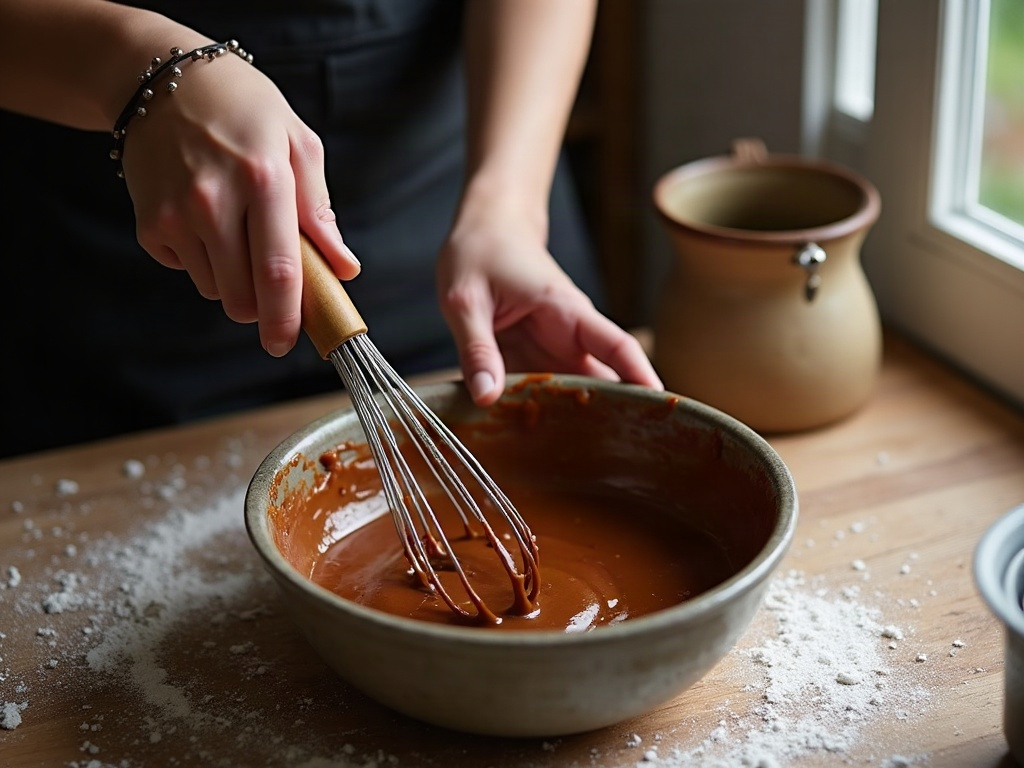
Method: Heat your oven to 350°F (175°C) and line a loaf pan with parchment. In a large bowl, whisk the discard, oil, molasses, brown sugar, and eggs until smooth and glossy. In a second bowl, whisk all the dry ingredients together so the baking soda and spices are evenly distributed — this one step prevents bitter soda pockets. Tip the dry into the wet and stir just until no streaks of flour remain. Finally, stir in the hot water or coffee; the batter will look alarmingly thin and loose, and that is exactly right — it’s what makes the crumb so moist. Pour into the pan and bake 45 to 55 minutes, until a toothpick comes out with a few moist crumbs but no wet batter.
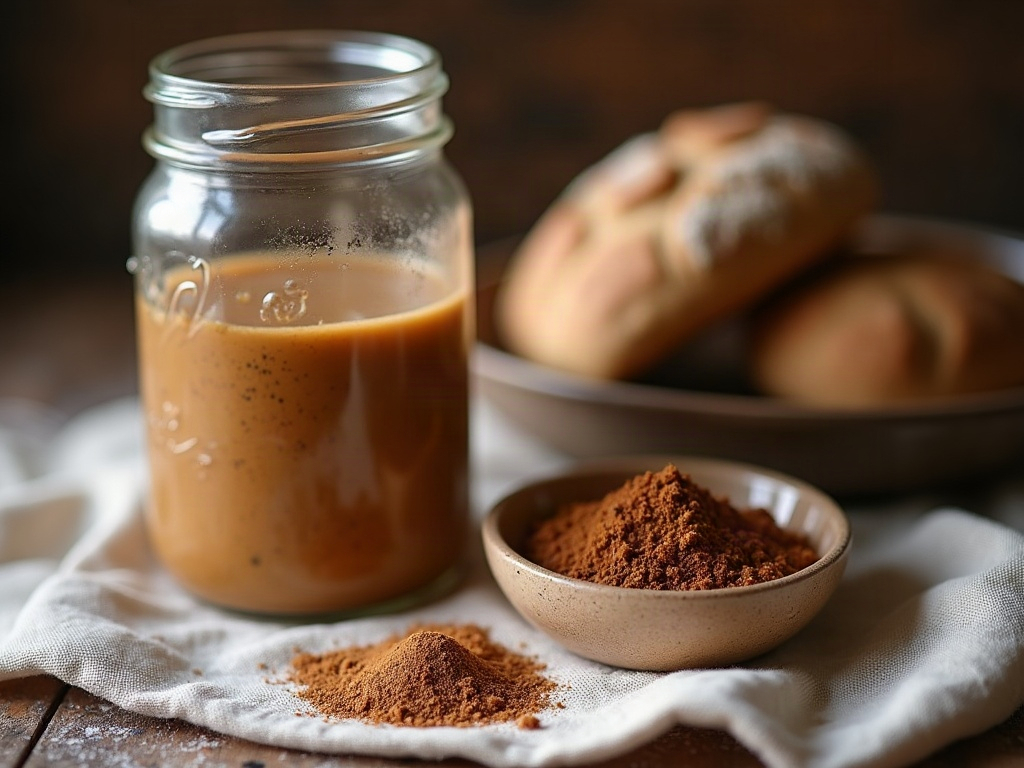
Small moves that make it better
A few details separate a good discard gingerbread from a great one. Use hot coffee instead of water if you have it — it won’t taste like coffee, it just deepens the molasses and makes the whole loaf taste more grown-up. Bloom the spices by whisking them into the warm wet ingredients for a minute before the flour goes in; warmth wakes up the volatile oils in ginger and clove. And don’t overmix once the flour is in. Like any quick bread, this one turns gummy and tough if you beat it — stir with a spatula until just combined and stop while it still looks a little rough.
Want to dress it up for a party? A handful of chopped crystallized ginger or a scatter of chopped toasted pecans folded in at the end makes it feel festive, in the same spirit as our cranberry walnut sourdough holiday loaf. A simple lemon or orange glaze drizzled over the cooled top plays beautifully against the dark spice.
Troubleshooting: when the loaf doesn’t cooperate
This is forgiving bread, but a few things can go sideways. Here’s the diagnostic rundown.
Sunken in the middle. Almost always underbaked — this is a wet, dense batter and the center needs the full time. Trust the toothpick, not the clock, and if the top is browning too fast while the middle is still raw, tent it loosely with foil and keep going. A second possible cause is too much baking soda or old soda that’s lost its lift.
Dense and gummy all through. Either overmixed (you developed gluten you didn’t want) or there was too much liquid for the flour. Measure your flour properly — spoon it into the cup and level it rather than scooping, which packs in far too much, or better yet weigh it.
Bitter aftertaste. That’s blackstrap molasses or too heavy a hand with the cloves and soda. Use regular dark molasses and whisk the dry ingredients thoroughly so the soda is evenly spread.
Dry and crumbly. Overbaked, plain and simple. Pull it the moment the toothpick shows moist crumbs; residual heat finishes it in the pan. A too-hot oven does the same damage from the outside in.
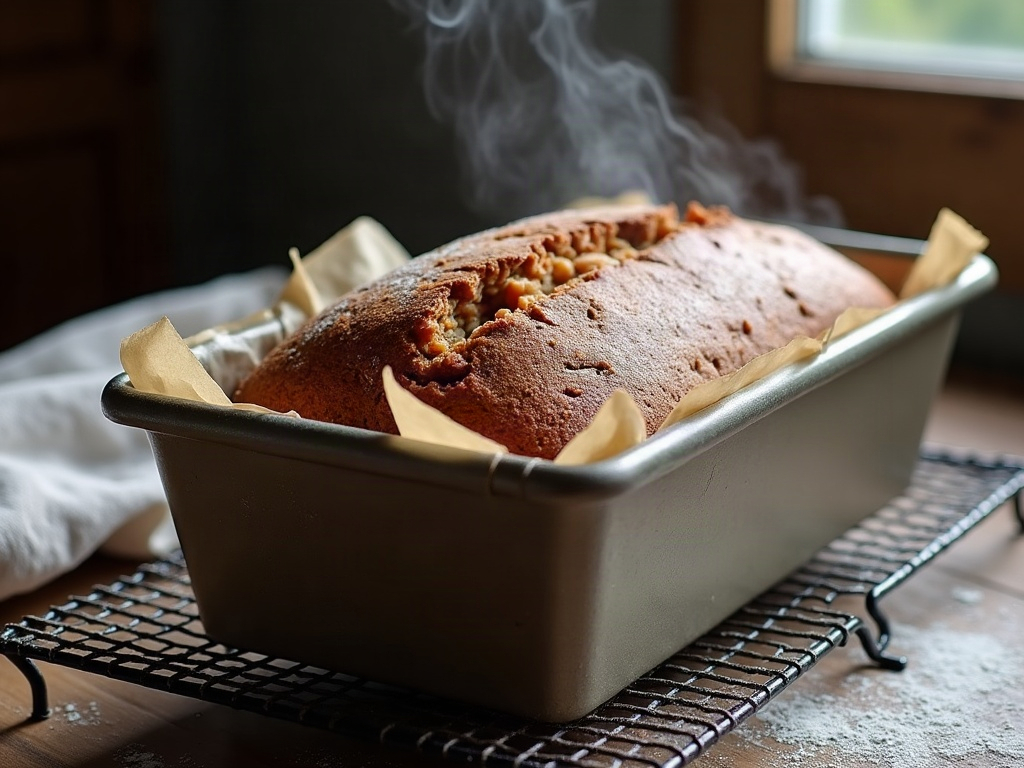
Serving, storing, and gifting
Let the loaf cool in the pan for ten minutes, then lift it out onto a rack to finish — cutting it hot will drag and gum the knife. Honestly, it’s even better the next day, once the spices have settled and the crumb has fully set. Thick-sliced and toasted with salted butter, it’s a perfect cold-morning breakfast; a little warm with whipped cream or a scoop of vanilla ice cream, it’s an effortless holiday dessert.
It keeps wonderfully, which is part of its charm. Wrapped well at room temperature it stays moist for three to four days, and it freezes like a dream — slice it first so you can pull out a piece at a time. That keeping quality, plus the dark good looks, makes it one of the best edible gifts going: wrap a loaf in parchment and twine and it looks like you fussed far more than you did. Pair it with a basket of soft sourdough dinner rolls for a homemade holiday hamper that costs almost nothing but a jar of discard.
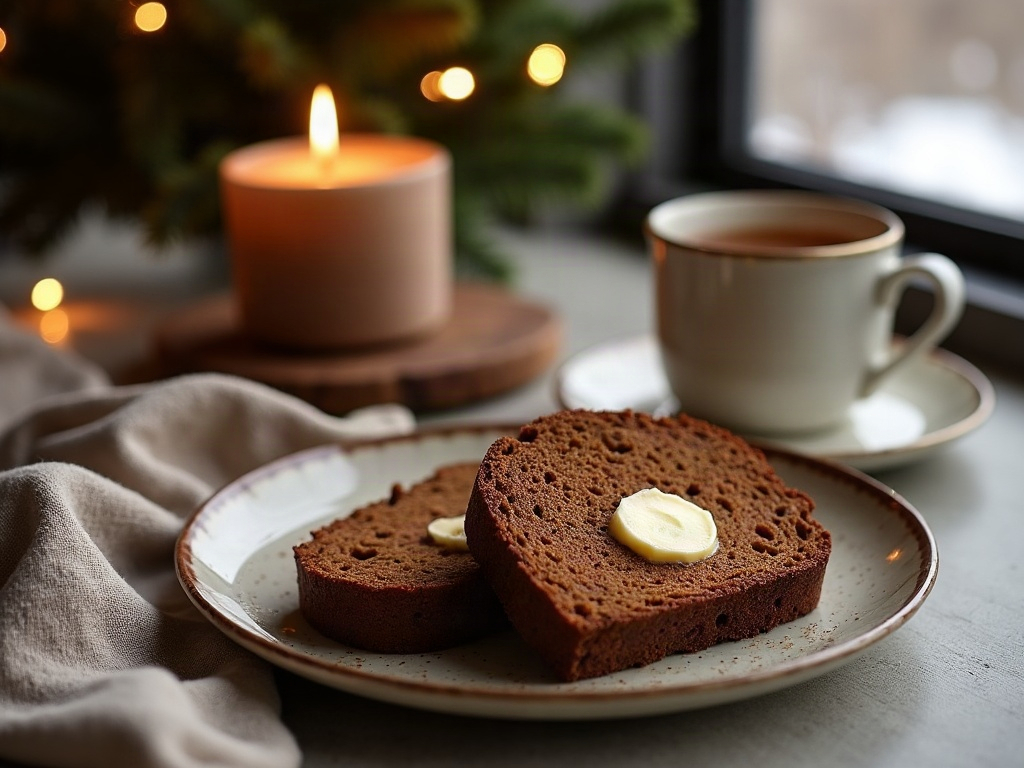
The real win here is bigger than one loaf. Once you see how completely discard disappears into a spiced bake, that fridge jar stops being a guilt object and starts being an ingredient. Gingerbread is the gateway; from there, discard slides just as easily into pancakes, crackers, and quick breads of every kind — the same trick that makes our soft sourdough discard tortillas so good. Feed your starter, bake your bread, and let the leftovers become something worth giving away.
Want to watch the batter come together and see exactly how thin it should look before it goes in the oven? The full walkthrough is on the LoafLovers YouTube channel, and our free sourdough troubleshooting guide is always there when a bake — discard or otherwise — doesn’t go to plan. Happy holiday baking.