Crusty, tangy sourdough is wonderful – but it is not what you want next to the turkey. Holiday dinner rolls need to be the opposite: soft, pillowy, a little sweet, with a tender top you can tear apart with your fingers. The good news is your starter can absolutely make that roll. The trick is treating this like an enriched dough, not a lean artisan loaf, and leaning on a make-ahead schedule so you’re not chained to a bowl on the busiest cooking day of the year.
Here’s a reliable method, plus the handful of places people go wrong when they try to turn sourdough into soft rolls.
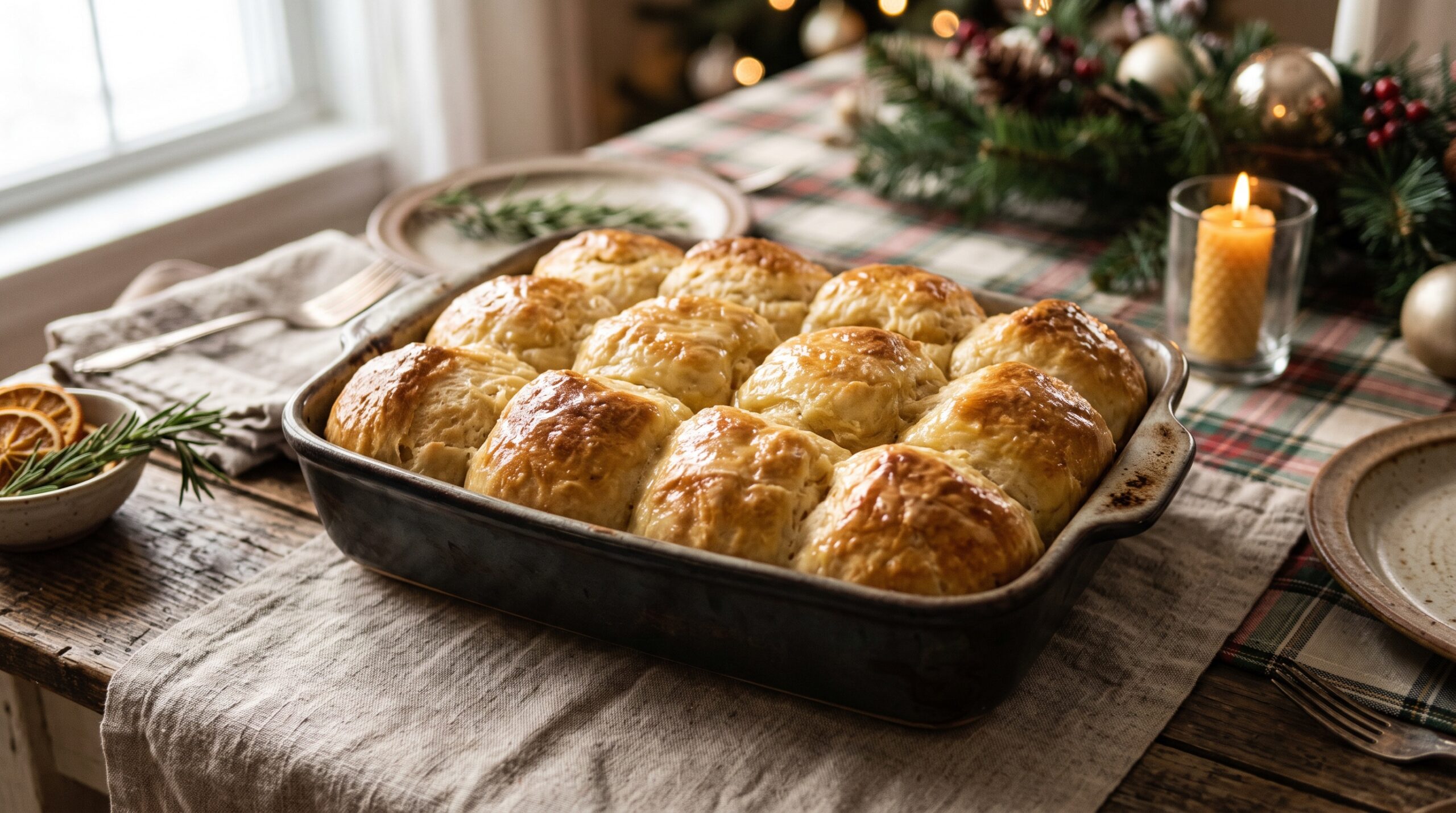
Why these rolls are different from your usual loaf
A normal sourdough loaf is lean – just flour, water, salt, and starter. That builds a chewy, open crumb and a hard crust. Rolls go the other way. You add fat (butter), dairy (milk), a little sugar, and often an egg. Those enrichments coat the gluten, shorten the chew, and give you a soft, fine, cottony crumb instead of big holes. The sugar and milk also help the tops brown into that golden, tender finish.
So don’t judge this dough by loaf rules. It will feel softer, richer, and tackier than you’re used to, and it won’t blister or crackle. That’s correct.
A simple roll formula
This makes about 12 rolls in a 9×13 pan. Weigh if you can – it’s far more forgiving than cups.
- 100 g active, bubbly starter (fed and at peak)
- 240 g warm milk (whole milk is best for softness)
- 1 egg
- 50 g sugar
- 500 g bread flour
- 9 g salt
- 60 g soft butter, added after the dough comes together
Mix everything except the butter until shaggy, rest 20 minutes, then work the soft butter in until the dough is smooth and elastic. It will fight you at first and then come together into a soft, slightly shiny ball.
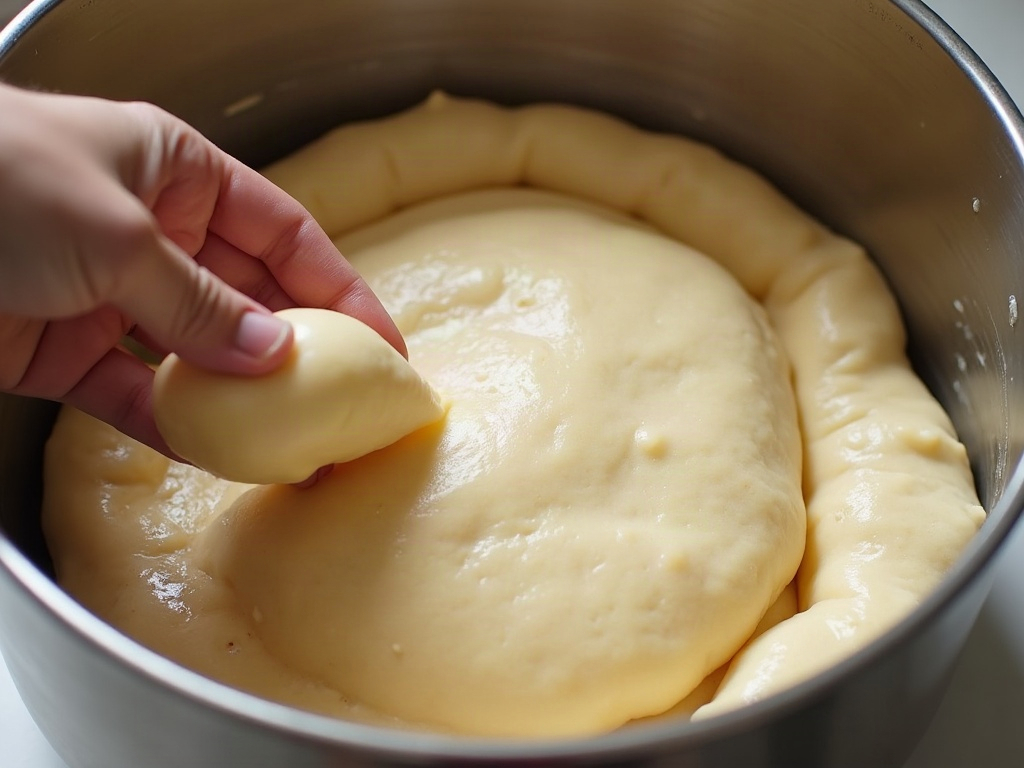
Bulk ferment, then the make-ahead move
Let the dough rise at room temperature until it’s puffy and roughly 50-75% larger. Because it’s enriched and heavier than a lean dough, this is usually slower – think 5 to 8 hours depending on your kitchen and starter strength. Don’t chase a full double; enriched doughs are happy with a bit less.
Here’s the part that saves your holiday: after bulk ferment, shape the rolls, put them in the pan, cover well, and refrigerate overnight. The cold slows everything down so you can bake fresh in the morning. This is the single best reason to make sourdough rolls instead of same-day yeast rolls – you can do the work the day before and pull a tray of fresh, hot rolls right before dinner.
Shape tight, set them close
Divide the dough into even pieces (weigh for uniform rolls – around 75-80 g each). Shape each into a tight, smooth ball by cupping it against the counter and dragging it in small circles to build surface tension. A smooth, taut skin is what gives you a round, high roll instead of a saggy one.
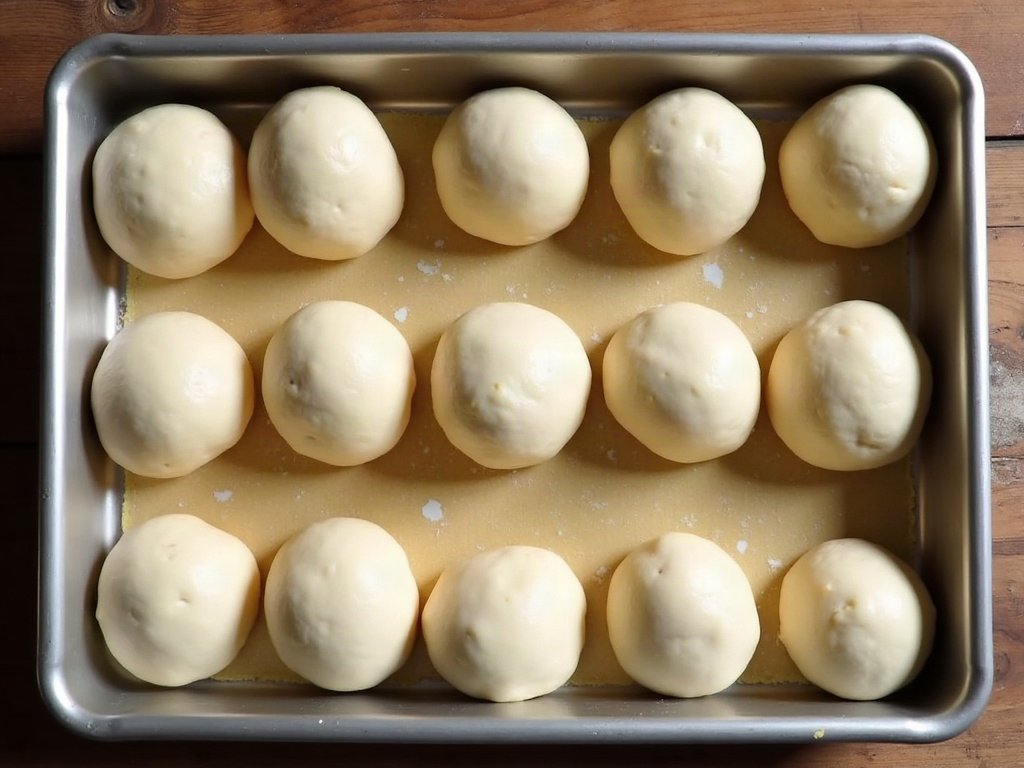
Arrange them in a buttered pan with small gaps between – about a finger’s width. As they proof and bake they expand into each other, which is exactly what creates those soft, tear-apart sides. Rolls baked touching stay softer than rolls baked alone.
The final proof and the bake
Straight from the fridge, let the shaped rolls come up to room temperature and finish proofing until puffy and pressing gently against each other – usually 1.5 to 3 hours. Underproofed rolls bake up dense and tight, so give them real time; poke one gently and it should spring back slowly, not instantly.
Brush the tops with egg wash or milk for color, then bake at 375°F (190°C) for about 20-25 minutes until deep golden. The lower temperature (versus a 450°F loaf) keeps them soft and prevents a hard crust.
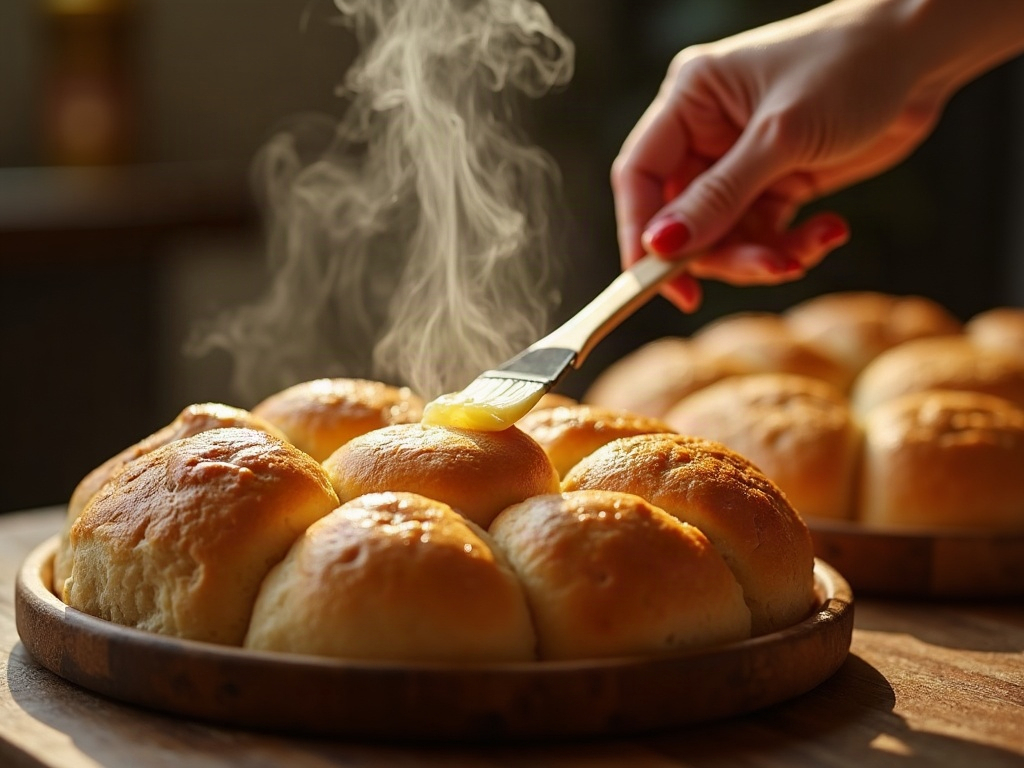
The finishing touch that keeps them soft
The moment they come out, brush the tops with melted butter. This is not optional if you want that bakery-soft, glossy finish – it keeps the crust from setting hard as the rolls cool and adds a last layer of richness. Let them cool just enough to handle, then serve warm.
A few quick saves if things go sideways: dense rolls almost always mean underproofing or a sluggish starter – give more time and make sure your starter was at peak. Rolls that spread flat usually weren’t shaped tightly enough. And if the tops brown too fast, tent loosely with foil for the last few minutes.
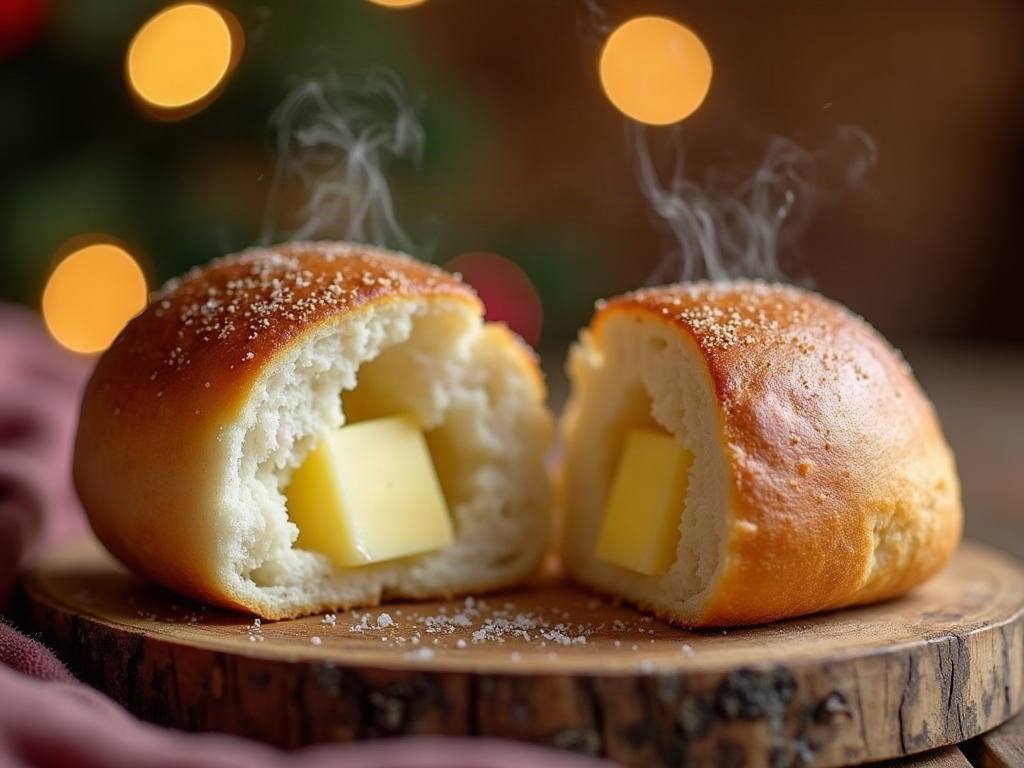
That’s the whole game: enrich the dough, shape tight, cold-proof overnight, bake low, and butter the tops. Do that and your starter earns a permanent spot at the holiday table – soft, fluffy, pull-apart rolls, no yeast packet required.
Want to see the shaping and the overnight fridge trick in action? The full step-by-step walkthrough lives on the LoafLovers YouTube channel – watch the dough and the shaping once and it’ll click for good.
Leave a Reply