If you own a bread machine, the thought is almost irresistible. You have this countertop box that mixes, kneads, proofs, and bakes a loaf while you do something else entirely. So why not just drop your sourdough ingredients in, press start, and walk away to a finished artisan loaf? It feels like the ultimate low-friction sourdough: all of the reward, none of the babysitting.
The honest answer is that you can make sourdough with a bread machine, and for a tired or busy baker it can genuinely save your hands and your schedule. But if you use the machine the way the manual intends, pouring everything in and letting the automatic sourdough-or-basic cycle run start to finish, you will usually pull out a dense, squat loaf with a tight crumb and a sad little paddle hole in the bottom. The machine is not broken, and neither is your starter. The two were simply built on different clocks. Let’s walk through what a bread machine actually does well, where it fails wild yeast, and the smart hybrid method that gets you a hands-off loaf without the brick.
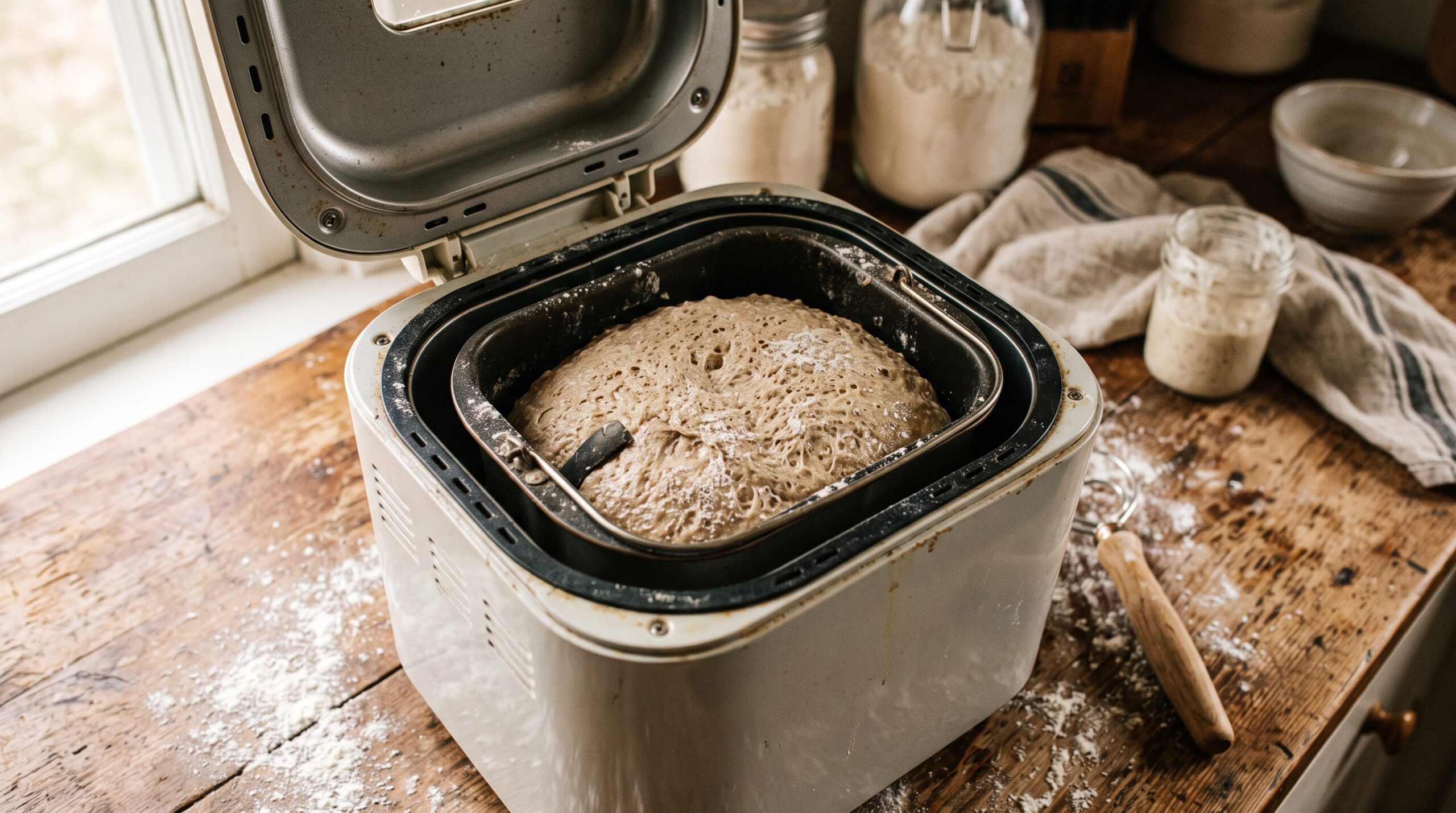
The short answer: yes, but not the way the manual tells you
A bread machine is a fantastic tool for two of sourdough’s most tedious jobs, and a poor tool for the two that matter most to flavor and rise. It is excellent at mixing and kneading, which it does more consistently than most of us do by hand, and it provides a warm, draft-free box that is a decent proofing environment. Where it struggles is timing the ferment and baking a real crust. Those two failures are the whole story, so it is worth understanding why they happen before you blame the recipe.
Why the fully automatic cycle produces a brick
Every preset cycle on a bread machine was designed around commercial instant or active dry yeast. That yeast is fast, predictable, and reliable: it wakes up in minutes and pushes a loaf to full rise in an hour or two no matter the day. The machine’s timings, its single short rise, its fixed bake, all assume that speed.
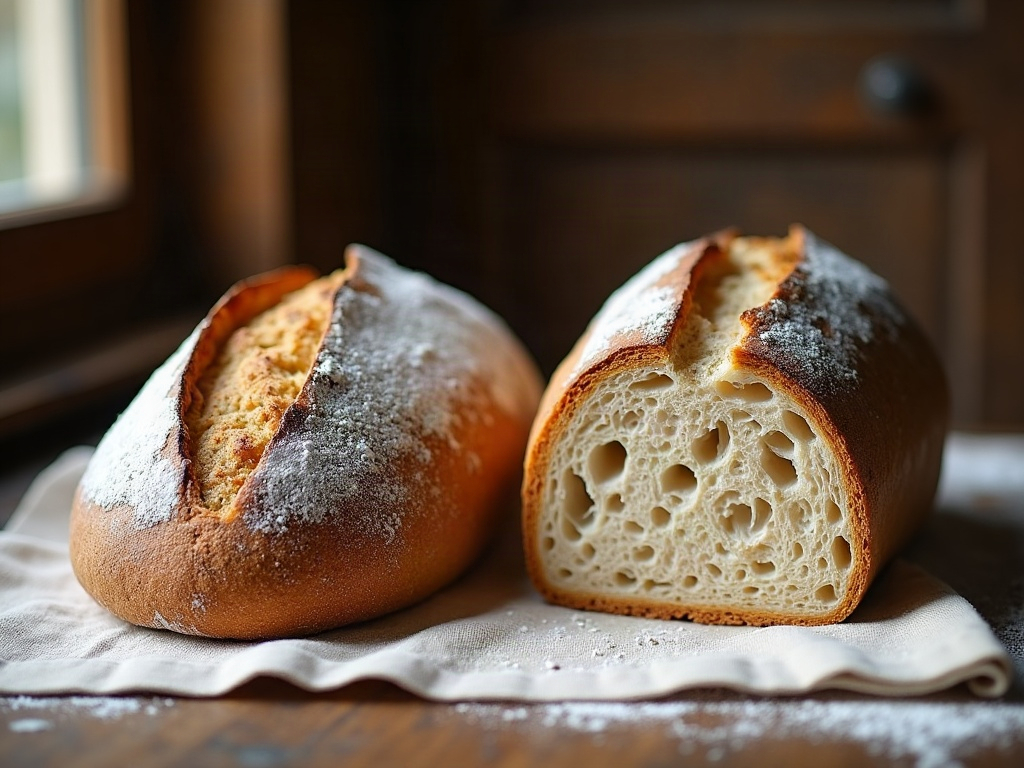
Your sourdough starter plays a completely different game. The wild yeast and bacteria in it are slower and far more sensitive to temperature, starter strength, and the weather in your kitchen. A natural leaven often needs four, six, even twelve hours to properly ferment a dough, and that timing shifts from day to day. When you force that slow biology through a cycle built for fast commercial yeast, the machine bakes the loaf long before the wild yeast has finished its rise. The result is underproofed bread: dense, gummy, tight-crumbed, with almost no oven spring. Even a dedicated “sourdough” setting on a modern machine is usually just a slightly longer cycle, still nowhere near flexible enough for a living starter that changes its mind with the room temperature. The problem is not your technique; it is a clock mismatch. And critically, you never add a yeast packet to real sourdough, so there is nothing fast in the dough to meet the machine’s schedule.
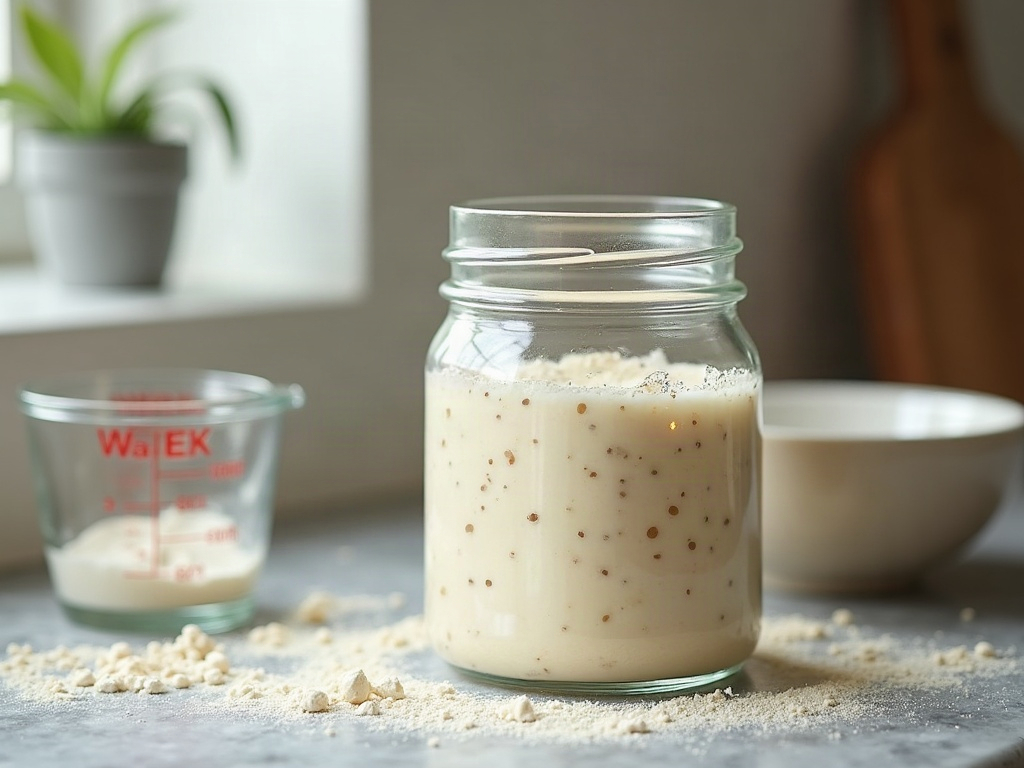
The baking stage fails for a related reason. A bread machine bakes in a tall, enclosed metal pan with a heating element, which steams the loaf in its own moisture and browns it unevenly. You get a pale, soft, leathery crust instead of the crackling, blistered, deeply colored shell that defines good sourdough, plus that signature hole where the kneading paddle sat. For a soft sandwich-style loaf that may be fine; for the crust most sourdough bakers are chasing, it simply cannot deliver.
The smart middle path: let the machine knead, not decide
Here is the method that actually works, and it is the one experienced bakers quietly use. Treat the bread machine as a stand mixer with a warm cabinet attached, not as an autopilot. You keep control of the two things it does badly, timing and baking, and you hand off the two things it does well.

Most machines have a dough cycle (sometimes called “dough only” or “manual”). Use it. Add your flour, water, salt, and active starter, run the dough cycle so the machine mixes and kneads the dough into a smooth, developed mass, and then stop. Do not let it proceed to its rise-and-bake programming. If your machine has no dough-only cycle, just run a kneading setting for the first eight to ten minutes and then press stop. Either way, once the dough is kneaded you are back in charge.
From there you follow a normal sourdough timeline on your own clock: let the dough bulk ferment at room temperature until it is visibly risen, puffy, and jiggly, which may be several hours depending on your starter and kitchen. Then shape it, give it a final proof, and bake it in a hot oven. If you do not own a Dutch oven, you can still get a crackling shell; our guide to making sourdough without a Dutch oven and still getting a great crust walks through the steam tricks that matter. The machine saved your arms on the mixing and kneading; you kept the fermentation honest and gave the loaf a real bake. That is the genuinely hands-off win people are actually after.
How to make the hybrid method work every time
A few details separate a reliable hybrid loaf from a frustrating one. First, your starter has to be lively. The machine cannot compensate for a sluggish leaven, so feed your starter and use it at its active, bubbly peak. If you are pulling it straight from the fridge, know that cold starter needs waking up first; we cover exactly how in baking with cold starter straight from the fridge.
Second, watch the dough, not the clock on the machine. Once you have stopped the cycle after kneading, ignore the machine entirely and judge the bulk ferment by how the dough looks and feels: a 30 to 50 percent rise, a domed and jiggly surface, a few bubbles. This is the single biggest lever on whether your loaf comes out open or dense.
Third, do not trust the delay-start timer with sourdough. That feature exists so you can load commercial-yeast ingredients at night and wake to fresh bread, but it assumes fast yeast on a fixed timeline. A wild starter left sitting in a sealed pan on a timer will over-ferment unpredictably, so skip it. And if you want your weighing and ratios to come out consistent from one bake to the next, work by weight rather than scoops; here is why a kitchen scale beats measuring cups for every sourdough bake.
When using the machine start-to-finish is actually fine
There is one honest exception. If your goal is not a crusty artisan boule but a soft, sliceable sourdough-flavored sandwich loaf, and you are willing to help the timing along, a bread machine can bake the whole thing acceptably. The trade-off bakers make is to add a small amount of commercial yeast alongside the starter so the dough reliably hits full rise within the machine’s cycle, treating the sourdough mostly as a flavor booster rather than the sole leavening. The crust will still be soft and pale and you will still get the paddle hole, but you will get a tender, tangy sandwich loaf with almost no effort. That is a legitimate choice, as long as you know you are making a yeasted bread with sourdough flavor, not a naturally leavened loaf.
Is the bread machine the right shortcut for you?
If your frustration is the hands-on kneading and the mess, the bread machine is a wonderful fix, as long as you use the dough cycle and finish the loaf yourself. If your frustration is the time, the long hours a natural ferment demands, then the machine alone will not solve that, because no appliance can rush wild yeast without the quality falling off. For the time problem, a better answer is a recipe designed around a real schedule, like our same-day sourdough built around a full-time work schedule, which compresses the timeline honestly rather than forcing the biology.
Putting it all together
So, can you make sourdough in a bread machine? Yes, but remember the one rule that governs all of it: the machine runs on a fast-yeast clock, and your starter does not. Let the machine do the mixing and kneading on its dough cycle, then take the dough back and ferment, shape, and bake it on your own terms for an open crumb and a real crust. Reserve the fully automatic, press-and-walk-away cycle for soft sandwich loaves where you have nudged the timing with a little commercial yeast and you do not mind a paler crust. Used that way, a bread machine is not a cheat that ruins your loaf; it is a genuine labor-saver that still lets the wild yeast do its beautiful, unhurried work.
Want to see the dough-cycle handoff, the bulk-ferment judgment call, and the oven bake in real time? The full walkthrough lives on the LoafLovers YouTube channel, and our free sourdough troubleshooting guide breaks down dense loaves, weak rise, and timing in the same symptom-to-fix format. Let the machine do the muscle work, keep the timing honest, and a great loaf is well within reach.
Leave a Reply