It’s the small decision nobody warns you about. You’ve cold-proofed your shaped loaf overnight in the fridge, the oven is roaring up to temperature, and you’re holding a chilled banneton in your hands. Every instinct says the dough is cold, surely it needs to warm up and “wake up” before it goes in — so you set it on the counter for an hour. An hour later your beautiful taut loaf has gone slack, spreads when you turn it out, tears when you score it, and bakes into something flat and sullen.
So here’s the answer most new bakers find surprising: in almost every case, you bake sourdough straight from the fridge, cold and firm, with no warm-up at all. Letting cold-proofed dough come to room temperature first is one of the most common, most avoidable ways to turn a good loaf into a flat one. Let’s walk through why, and the handful of real exceptions.
Why cold dough is the baker’s secret weapon
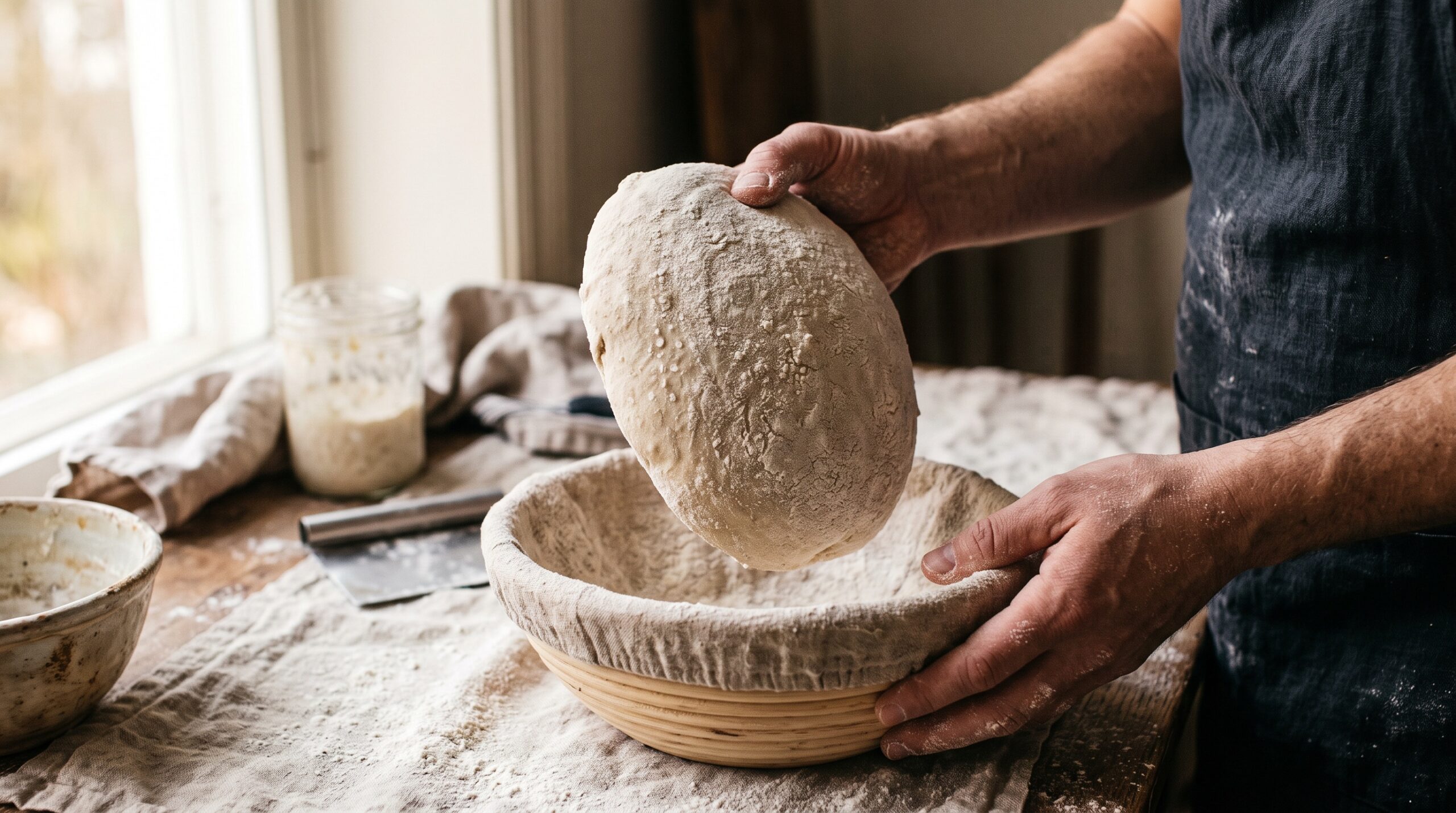
A long cold proof in the fridge isn’t just about scheduling convenience. The cold does real work: it slows fermentation to a crawl so the dough can develop flavour without overproofing, and it firms up the whole structure. That firmness is exactly what you want at the oven door. A cold, taut loaf holds its shape when you tip it out of the banneton, keeps its height instead of pancaking across the parchment, and gives you a clean, confident surface to score.
Warm it up on the counter and you throw all of that away. The dough keeps fermenting — faster now, in the warm kitchen — and softens as it goes. You’re spending the structural advantage you just built overnight, usually for no benefit at all.
The oven spring myth that trips everyone up
The worry behind warming the dough is almost always the same: won’t a cold loaf be sluggish and refuse to rise? It’s an understandable fear, but it has the science backwards. Oven spring — that final dramatic surge of height in the first ten minutes of baking — happens because trapped gas expands and steam flashes inside the dough before the crust sets firm. A cold core actually extends that window. The outside heats and the crust begins to form, while the cool interior takes longer to catch up, so the loaf keeps expanding for longer before it’s locked in place.
Put a room-temperature loaf in the same oven and the whole thing heats through faster, the crust sets sooner, and you lose some of that spring. The cold dough isn’t the handicap you imagined — it’s part of how you get a tall loaf with a proper ear.
Scoring is where cold really pays off
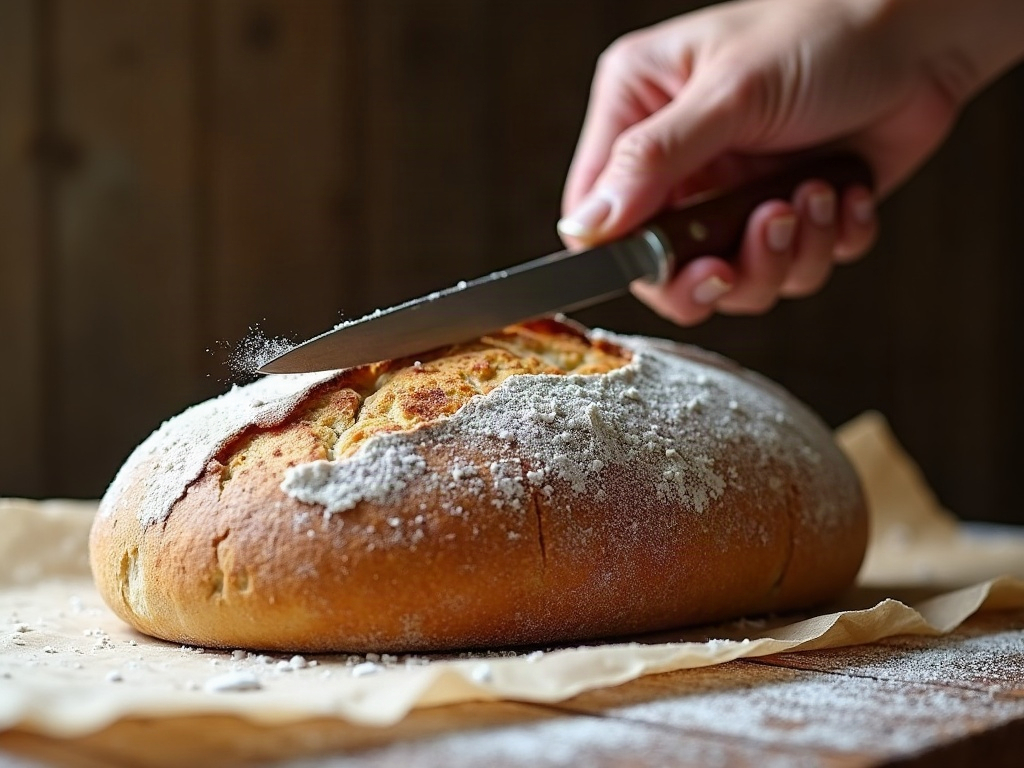
If you’ve ever had your lame drag, snag, and smear across the top of a loaf instead of cutting cleanly, slack dough is usually why. Warm, soft, gassy dough is sticky and wants to deflate the moment the blade touches it. Cold dough is firm and a little tacky at most — the blade glides, the cut opens crisply, and the score stays open through the bake instead of healing shut.
This single factor is reason enough to bake cold. A clean, decisive score on a firm loaf gives you that textbook ear and controlled expansion. The same cut on a warmed-up loaf fights you the whole way and often tears.
The overproofing trap of “just warming it up”
Here’s the real danger. When you pull a dough from the fridge, it’s typically at the end of its proof — that’s the point of the overnight retard. Leaving it on a warm counter for an hour or two doesn’t gently prepare it; it pushes an already-proofed dough past the finish line. The gluten relaxes, the gas structure degrades, and you cross from “ready” into overproofed. The poke test tells the story: poke a cold-proofed loaf and the dent springs back slowly and a little. Leave it to warm and that same poke leaves a dent that doesn’t spring back at all — the loaf has gone slack and will spread and bake flat.
So the hour you spend “helping” the dough warm up is often the exact hour that ruins it. If your loaves come out flatter when you wait and better when you don’t, this is almost certainly why.
The genuine exceptions — when a little warming helps
Baking cold is the default, not an absolute law. There are a few cases where letting the dough sit out briefly is the right call:
- You underproofed before chilling. If you rushed the bulk ferment and the dough went into the fridge young and tight, it may genuinely need a little more fermentation. Thirty to sixty minutes on the counter can finish the job. The tell is a dense, barely-risen loaf and a poke that springs back instantly even after the cold proof.
- Enriched doughs. Butter-, milk-, and egg-rich doughs are stiff and sluggish straight from the fridge, and a short warm-up helps them spring. For a lean, classic country loaf, though, cold is king.
- A very short or very cold retard. If your fridge runs icy or the dough was only chilled an hour or two to firm up for shaping, it may still have proofing left to do and a brief rest makes sense.
Notice the pattern: you only warm the dough when it’s underproofed. If it finished its proof in the fridge — the usual case — warming it just overproofs it.
Your cold-bake workflow, start to finish
Here’s the whole thing, stripped down, for a standard lean sourdough that’s had a full overnight cold proof:
- Preheat fully first. Get your oven and Dutch oven (or baking surface and steam setup) screaming hot — this is the step that needs the time, not the dough.
- Leave the dough in the fridge until the very last moment. Cold = firm = easy.
- Turn out, score, bake — straight through. Tip the cold loaf onto parchment, score decisively, and get it into the hot oven within a minute or two.
- Don’t open the door early. Let the spring happen; the cold core is buying you time, so give it the full first stretch of the bake before you peek.
The whole point is to spend zero minutes letting the dough sit around. Hot oven, cold dough, straight in.
Quick diagnosis: which camp are you in?
If your cold-proofed loaves bake tall, score cleanly, and spring well — keep baking straight from the fridge and don’t second-guess it. If they come out flat and the score tears, run through this short check:
- Did you let it warm on the counter? Stop. Bake it cold next time.
- Still flat even cold? Then the problem is upstream — likely an underproofed or overproofed bulk ferment, or slack shaping with too little surface tension — not the baking temperature of the dough.
- Dense and tight even cold? That’s an underproofing signature; give the dough a longer bulk next time, or a short warm-up before this bake as a one-off rescue.
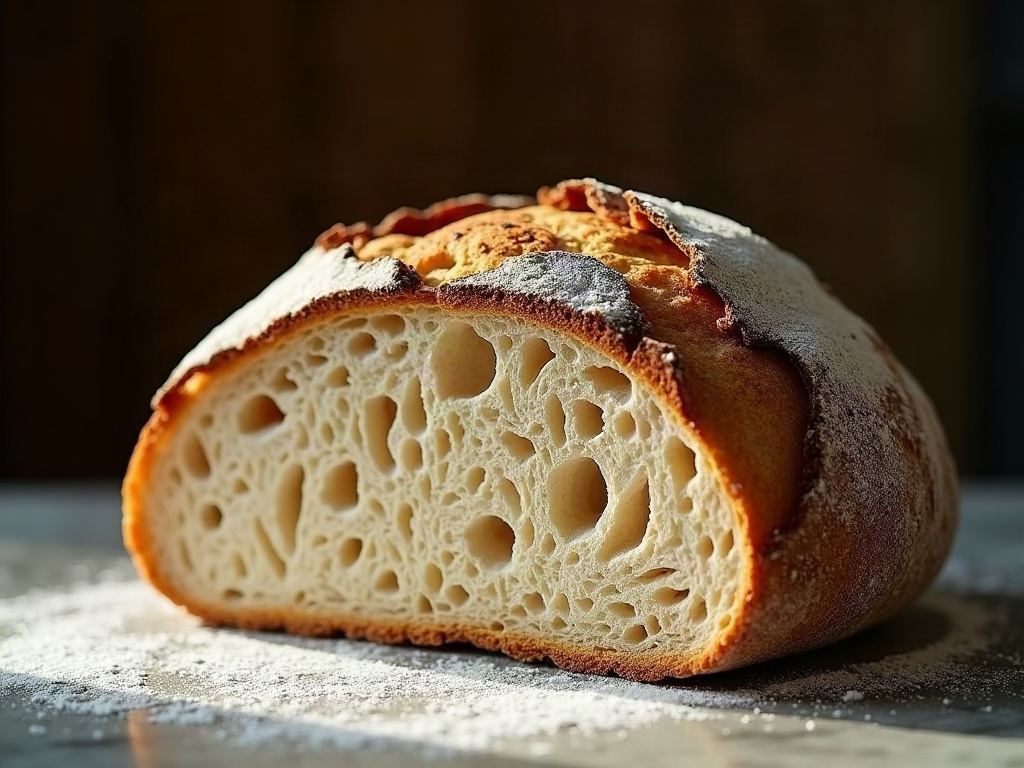
The headline, though, is simple and it saves a lot of loaves: a cold-proofed dough is ready to bake, not resting before baking. Firm dough scores clean, holds its shape, and springs tall, while a warmed-up loaf quietly overproofs on your counter. When in doubt, bake it cold.
If you’d like to see the cold turn-out, score, and oven spring happen in real time — and exactly what a ready-to-bake cold loaf looks and feels like — the full hands-on walkthrough lives on the LoafLovers YouTube channel, and our free sourdough troubleshooting guide covers the rest of the flat-loaf culprits. Keep it cold, and let the oven do the warming.
Leave a Reply